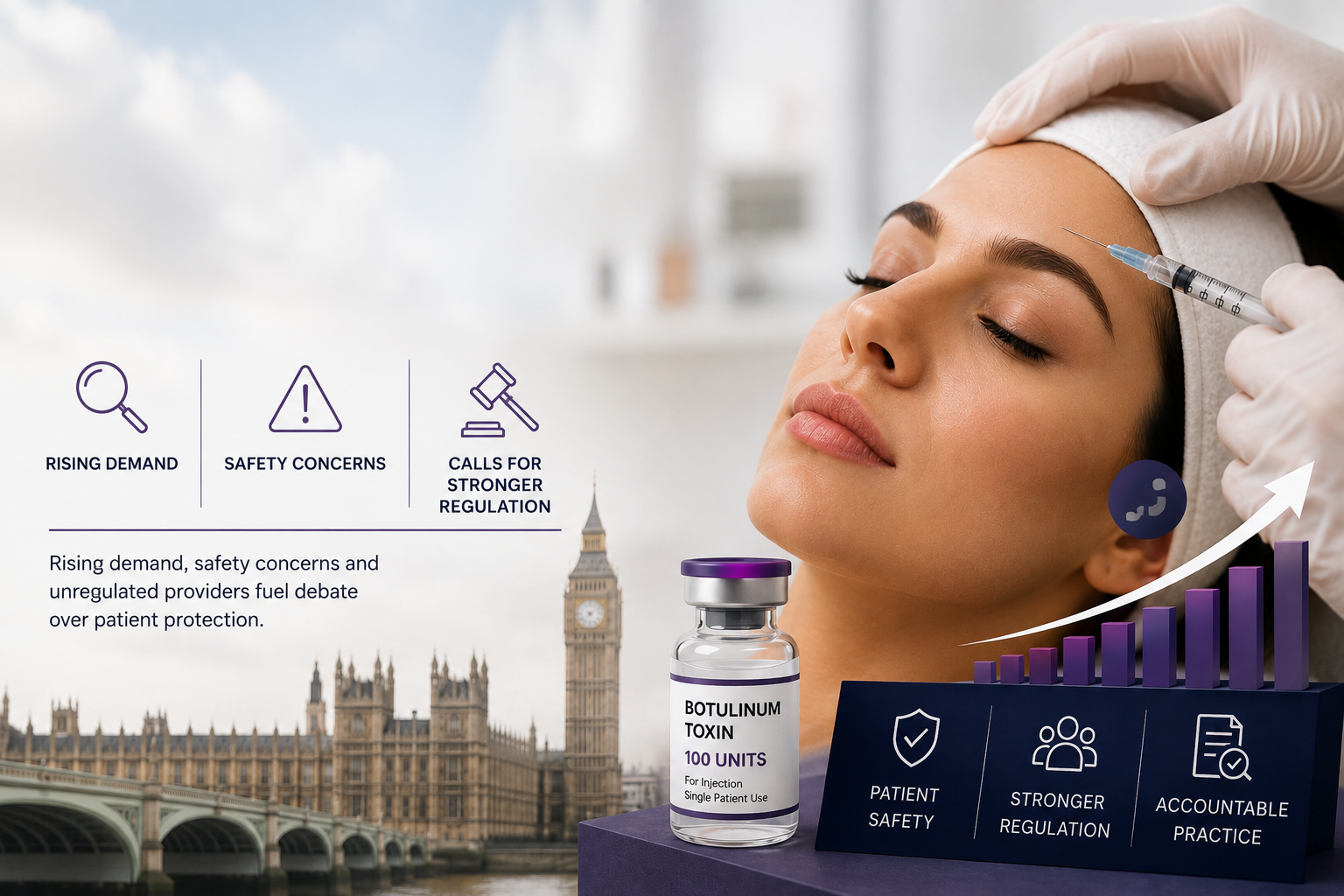
The UK’s aesthetic medicine sector has experienced remarkable growth over the past few years, with non-surgical cosmetic treatments becoming increasingly popular among people of all ages. Procedures such as anti-wrinkle injections, dermal fillers, and skin rejuvenation therapies are now widely available through clinics, beauty centers, and independent practitioners. However, as demand continues to rise, experts are expressing concerns that current regulations have not kept pace with the industry’s rapid expansion.
A Booming Market
Botulinum toxin treatments, commonly used to reduce the appearance of facial wrinkles, have become one of the most sought-after aesthetic procedures in the UK. Greater awareness, social media influence, and advances in cosmetic medicine have contributed to the growing popularity of these minimally invasive treatments.
The increasing acceptance of aesthetic procedures has encouraged more businesses to enter the market, creating greater accessibility for consumers. While this growth offers more choices, it also presents challenges in maintaining consistent standards of patient safety.
Concerns Over Regulation
Healthcare professionals and industry experts have raised concerns that existing regulations may not adequately address the increasing number of providers offering cosmetic injectable treatments. Unlike many medical procedures, certain aesthetic services can sometimes be delivered outside traditional healthcare settings, leading to variations in practitioner qualifications and training.
Experts argue that stronger regulatory oversight could help ensure treatments are performed only by appropriately trained professionals using approved products and safe clinical practices.
Why Patient Safety Matters
Botulinum toxin injections are generally considered safe when administered by qualified medical professionals. However, improper techniques, counterfeit products, or inadequate patient assessment can increase the risk of complications, including infections, facial asymmetry, allergic reactions, and unwanted cosmetic outcomes.
Patients are encouraged to research practitioners carefully, verify professional credentials, and choose clinics that prioritize medical standards rather than simply offering the lowest prices.
Industry Response
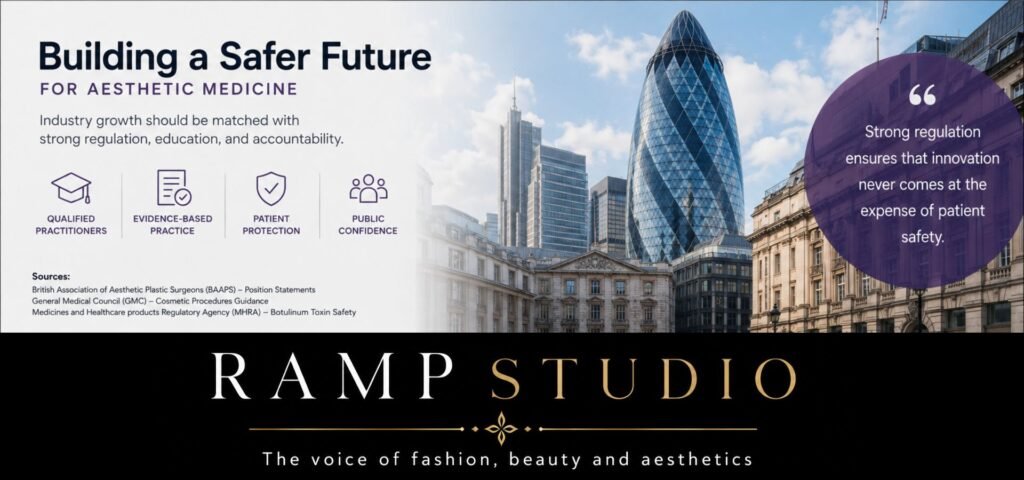
Many professional organizations within the UK’s aesthetic medicine community support tighter regulations to improve patient confidence and raise overall industry standards. Proposed measures include stricter licensing requirements, mandatory training, clearer advertising guidelines, and enhanced oversight of cosmetic injectable procedures.
These initiatives aim to protect consumers while supporting responsible clinics that maintain high standards of care.
Looking Ahead
As aesthetic medicine continues to evolve, balancing innovation with patient safety will remain a key priority. Stronger regulations could help build greater public trust while ensuring that cosmetic treatments continue to be delivered safely and ethically.
For individuals considering botulinum toxin treatments, choosing experienced and medically qualified practitioners remains one of the most important steps toward achieving safe and satisfactory results.
FAQs:
1. Why are stronger regulations for botulinum toxin treatments being discussed in the UK?
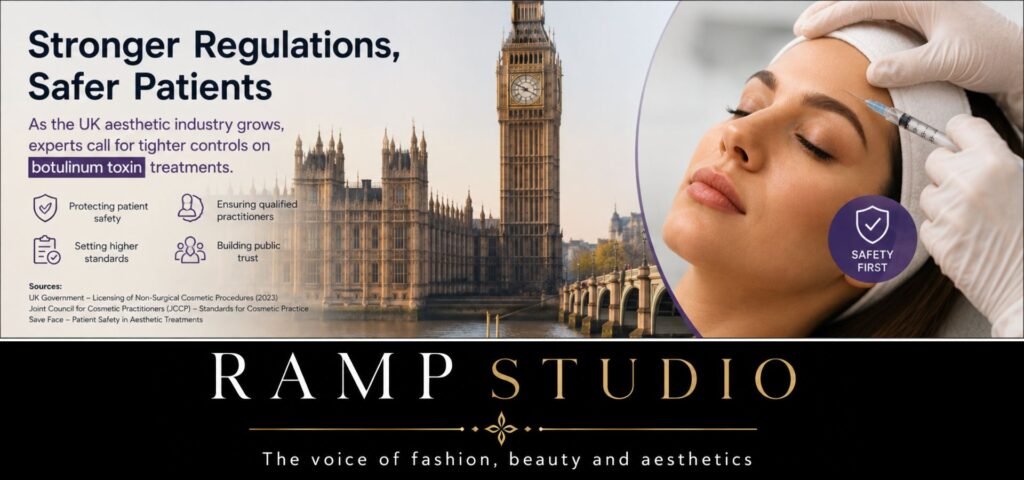
The UK aesthetic industry has grown rapidly, increasing demand for cosmetic injectables such as botulinum toxin. Experts, healthcare organizations, and policymakers have raised concerns about patient safety, inconsistent practitioner qualifications, and the availability of treatments from inadequately trained providers.
Sources:
- UK Government – Licensing of Non-Surgical Cosmetic Procedures
- British Association of Aesthetic Plastic Surgeons (BAAPS)
2. What is botulinum toxin?
Botulinum toxin is a prescription-only medicine used to temporarily relax muscles. It is commonly prescribed for cosmetic wrinkle reduction as well as several medical conditions, including chronic migraine, muscle spasms, and excessive sweating.
Sources:
3. Is botulinum toxin legal in the UK?
Yes. Botulinum toxin is legal but is classified as a Prescription Only Medicine (POM). It must be prescribed by an appropriately qualified healthcare professional following an assessment of the patient.
Sources:
4. What are the risks of receiving treatment from an unqualified practitioner?
Potential risks include infection, bruising, facial asymmetry, allergic reactions, drooping eyelids, incorrect dosing, and delayed medical intervention if complications occur.
Sources:
5. What regulatory changes have been proposed?
The UK Government has proposed introducing a licensing scheme for non-surgical cosmetic procedures in England. The aim is to improve practitioner standards, enhance patient safety, and ensure appropriate training and hygiene requirements.
Sources:
6. How can patients choose a safe provider?
Patients should:
- Verify the practitioner’s qualifications and registration.
- Confirm that a medical consultation is provided before treatment.
- Ensure genuine prescription medicines are used.
- Ask about emergency procedures and aftercare.
- Avoid providers offering unrealistically low prices or treatments without assessment.
Sources:
7. Why is regulation important for patient safety?
Stronger regulation can help reduce unsafe practices, improve practitioner accountability, ensure appropriate training, and give patients greater confidence when seeking cosmetic treatments.
Sources:
- Joint Council for Cosmetic Practitioners (JCCP)
- British Association of Aesthetic Plastic Surgeons (BAAPS)
8. What should someone do if they experience complications after treatment?
Anyone experiencing severe pain, vision changes, breathing difficulties, signs of infection, or other unexpected symptoms should seek immediate medical attention. Patients should also contact the practitioner who performed the procedure and report concerns to the appropriate regulatory authorities where applicable.
Sources:
Views: 0