Korean Skincare Secrets Explained
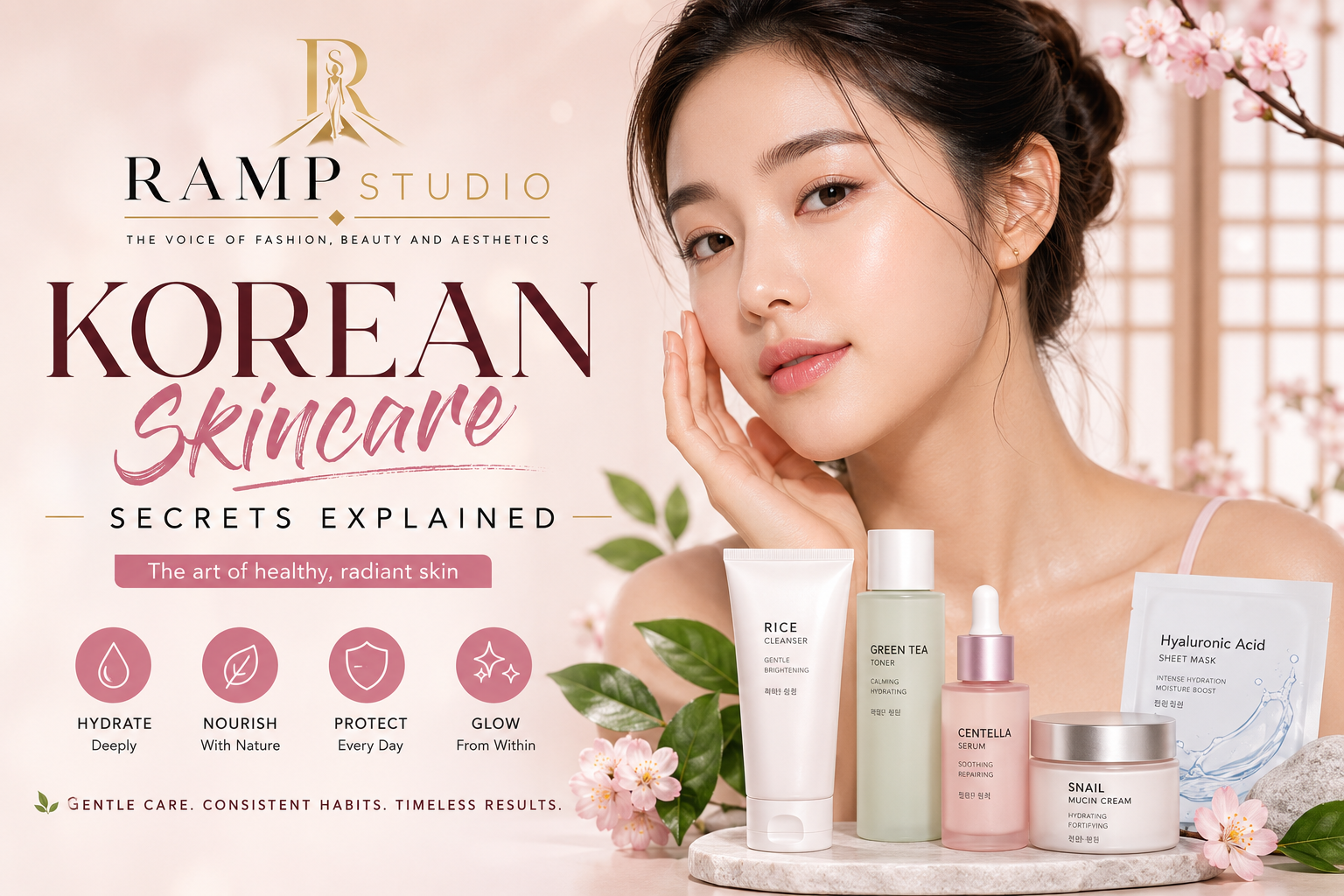
Over the past decade, Korean skincare (K-Beauty) has become a global beauty phenomenon. Known for its innovative formulas, skin-first philosophy, and emphasis on prevention rather than correction, Korean skincare has transformed the way millions of people care for their skin. Contrary to popular belief, achieving the famous “glass skin” isn’t about using dozens of expensive products. Instead, it’s about consistency, hydration, sun protection, and choosing products that suit your skin’s unique needs.In this guide, we’ll explain the real secrets behind Korean skincare, separate fact from myth, and show you how to build an effective routine.
What Is Korean Skincare?
Korean skincare is a skincare philosophy that focuses on maintaining healthy skin through gentle care, hydration, protection, and prevention instead of relying solely on treatments after problems appear. Rather than trying to “fix” damaged skin, K-beauty encourages maintaining the skin barrier and protecting it from environmental damage every day.
Why Has Korean Skincare Become So Popular?
Korean beauty products are known for:
- Innovative skincare technology
- Lightweight yet effective formulas
- Hydrating ingredients
- Affordable pricing
- Continuous product research and development
- Focus on healthy-looking skin instead of heavy makeup
The popularity of K-beauty has also been driven by social media, beauty influencers, and increasing consumer awareness about skincare.
The Core Philosophy of Korean Skincare
Unlike many traditional skincare routines that focus mainly on cleansing and moisturizing, Korean skincare follows several important principles:
Prevention Is Better Than Treatment
Protecting the skin from UV rays, pollution, and dehydration helps reduce long-term damage.
Hydration Comes First
Healthy skin is well-hydrated. Korean skincare emphasizes maintaining moisture levels rather than over-drying the skin.
Gentle Products Matter
Harsh cleansers and aggressive exfoliation can weaken the skin barrier. K-beauty favors gentle formulations that support healthy skin.
Consistency Wins
Instead of expecting overnight results, Korean skincare promotes small daily habits that improve skin over time.
Understanding the Famous Korean Skincare Routine
The original Korean skincare routine may include multiple steps, but not everyone needs all of them.
Step 1: Oil Cleanser
Removes:
- Sunscreen
- Makeup
- Excess oil
Oil cleansers dissolve oil-based impurities without stripping moisture.
Step 2: Water-Based Cleanser
A gentle cleanser removes sweat, dirt, and remaining impurities while preparing the skin for the next steps.
Step 3: Exfoliation (1–2 Times Weekly)
Exfoliation removes dead skin cells and helps improve skin texture.
Avoid excessive exfoliation, as it may damage the skin barrier.
Step 4: Toner
Modern Korean toners focus on:
- Hydration
- Skin balance
- Preparing the skin for better absorption of serums and moisturizers
Step 5: Essence
One of the signature products in Korean skincare.
Essences provide lightweight hydration and help improve overall skin health.
Step 6: Serum or Ampoule
These concentrated treatments target specific concerns such as:
- Acne
- Dark spots
- Fine lines
- Dehydration
- Uneven skin tone
Step 7: Sheet Mask (Optional)
Sheet masks provide an extra boost of hydration and nourishment.
Using them a few times per week is usually sufficient.
Step 8: Eye Cream
Eye creams help moisturize the delicate skin around the eyes and may improve the appearance of dryness and fine lines.
Step 9: Moisturizer
A moisturizer helps lock in hydration and supports the skin barrier.
Step 10: Sunscreen (Morning Only)
Perhaps the most important step.
Daily sunscreen protects against:
- UV damage
- Premature aging
- Hyperpigmentation
- Skin cancer
Popular Korean Skincare Ingredients
Hyaluronic Acid
Provides intense hydration by attracting and retaining moisture.
Centella Asiatica (Cica)
Known for its soothing properties, making it popular for sensitive or irritated skin.
Niacinamide
Helps improve uneven skin tone, supports the skin barrier, and may reduce the appearance of enlarged pores.
Snail Mucin
A signature K-beauty ingredient that helps hydrate and support skin repair.
Green Tea
Rich in antioxidants that help protect the skin from environmental stress.
Rice Extract
Traditionally used to brighten and soften the skin while improving its texture.
Ceramides
Help strengthen the skin barrier and reduce moisture loss.
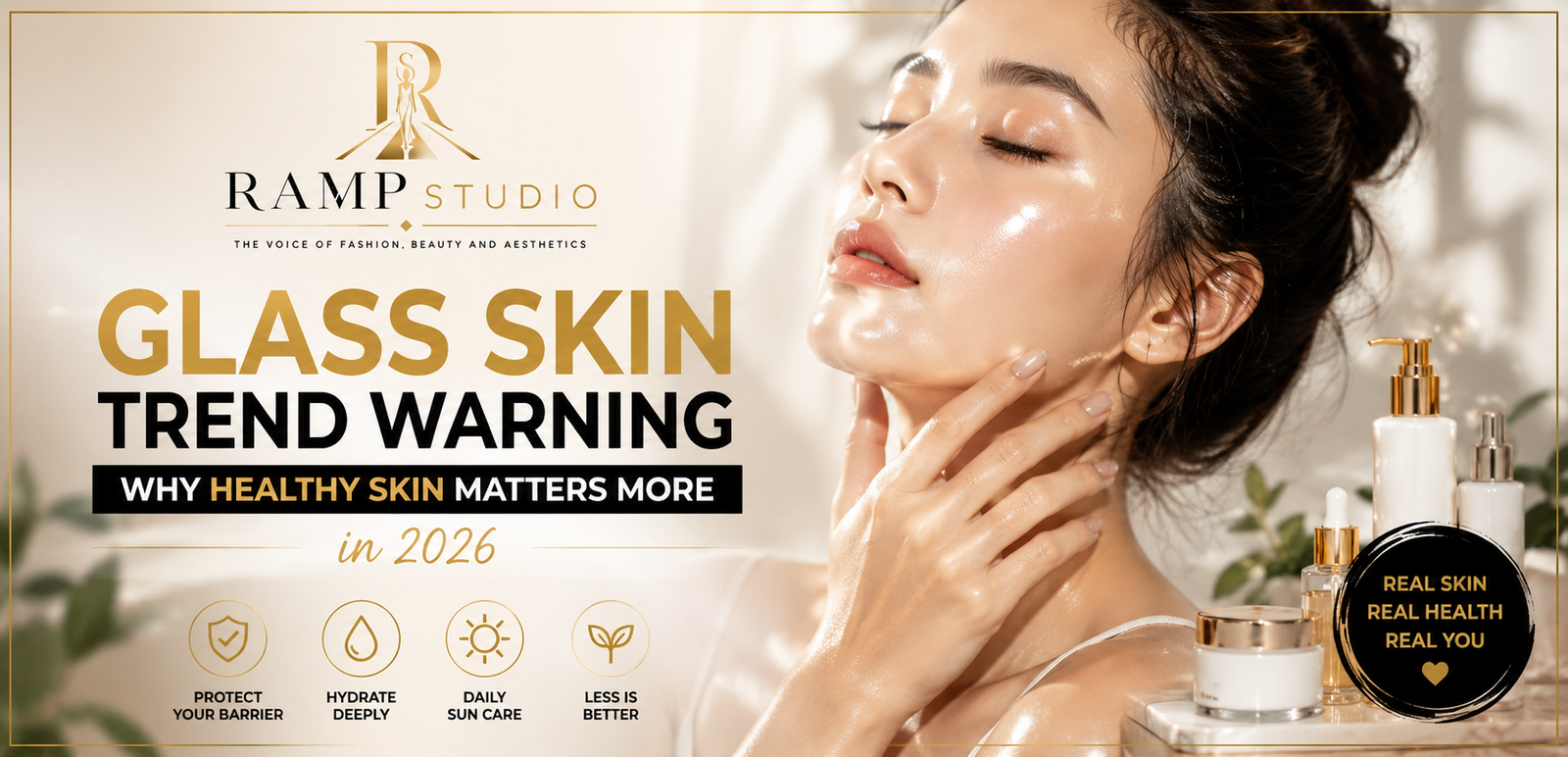
What Is Glass Skin?
“Glass skin” refers to skin that appears:
- Smooth
- Clear
- Deeply hydrated
- Healthy
- Naturally radiant
It doesn’t mean oily or overly shiny skin. Instead, it’s the result of consistent skincare, hydration, and sun protection.
Common Myths About Korean Skincare
Myth 1: Everyone Needs a 10-Step Routine
False.
Many dermatologists recommend keeping routines simple and focusing on products that meet your skin’s specific needs.
Myth 2: More Products Mean Better Skin
Not necessarily.
Using too many active ingredients at once can irritate the skin.
Myth 3: Korean Skincare Works Overnight
Healthy skin takes time.
Visible improvements often require several weeks of consistent care.
Myth 4: K-Beauty Is Only for Women
False.
Healthy skin is important for everyone, regardless of gender.
How to Start a Korean Skincare Routine
If you’re new to K-beauty, begin with these essentials:
- Gentle cleanser
- Hydrating toner
- Serum for your skin concerns
- Moisturizer
- Broad-spectrum sunscreen (SPF 30 or higher)
Once your skin adjusts, you can add products like essences or masks if desired.
Is Korean Skincare Suitable for All Skin Types?
Yes, provided you choose products formulated for your skin type.
- Oily Skin: Lightweight, oil-free products.
- Dry Skin: Rich moisturizers and hydrating serums.
- Combination Skin: Balance hydration with lightweight formulas.
- Sensitive Skin: Fragrance-free products with soothing ingredients like Centella Asiatica.
Final Thoughts
The real secret behind Korean skincare isn’t a lengthy routine or expensive products—it’s a commitment to gentle, consistent care. Prioritizing hydration, protecting the skin from the sun, and maintaining a healthy skin barrier can help support smoother, more radiant skin over time.
Whether you prefer a simple five-step routine or enjoy a more comprehensive regimen, the key is choosing products that suit your skin and using them consistently.
Frequently Asked Questions (FAQs)
1. What is the biggest secret of Korean skincare?
The biggest secret is consistency. Korean skincare focuses on hydration, gentle products, and daily sun protection rather than quick fixes.
2. Do I need a 10-step Korean skincare routine?
No. Many people achieve excellent results with just a cleanser, toner, serum, moisturizer, and sunscreen.
3. What is “glass skin”?
Glass skin describes a complexion that looks smooth, clear, hydrated, and naturally radiant due to healthy skincare habits.
4. Is Korean skincare good for acne-prone skin?
Yes. Many K-beauty products are designed to hydrate without clogging pores and include soothing ingredients such as Centella Asiatica and niacinamide.
5. Which Korean skincare ingredient is best for hydration?
Hyaluronic acid is one of the most popular ingredients for boosting and maintaining skin hydration.
6. Can men use Korean skincare products?
Absolutely. Korean skincare products are suitable for anyone and should be chosen based on skin type and concerns rather than gender.
7. Is sunscreen part of Korean skincare?
Yes. Daily sunscreen is considered one of the most important steps in any Korean skincare routine to protect against UV damage and premature aging.
8. How long does it take to see results?
Some improvements, such as increased hydration, may be noticeable within days, while concerns like uneven skin tone or fine lines typically require several weeks of consistent care.
Sources
This article is based on guidance and educational resources from the following trusted organizations:
- American Academy of Dermatology (AAD): https://www.aad.org
- World Health Organization (WHO) – Ultraviolet Radiation: https://www.who.int/health-topics/ultraviolet-radiation
- National Institutes of Health (NIH): https://www.nih.gov
- Skin Cancer Foundation: https://www.skincancer.org
- International Dermal Institute: https://www.dermalinstitute.com
Disclaimer: This article is for informational purposes only and should not be considered medical advice. If you have persistent skin concerns or a diagnosed skin condition, consult a qualified dermatologist for personalized recommendations.
Views: 0