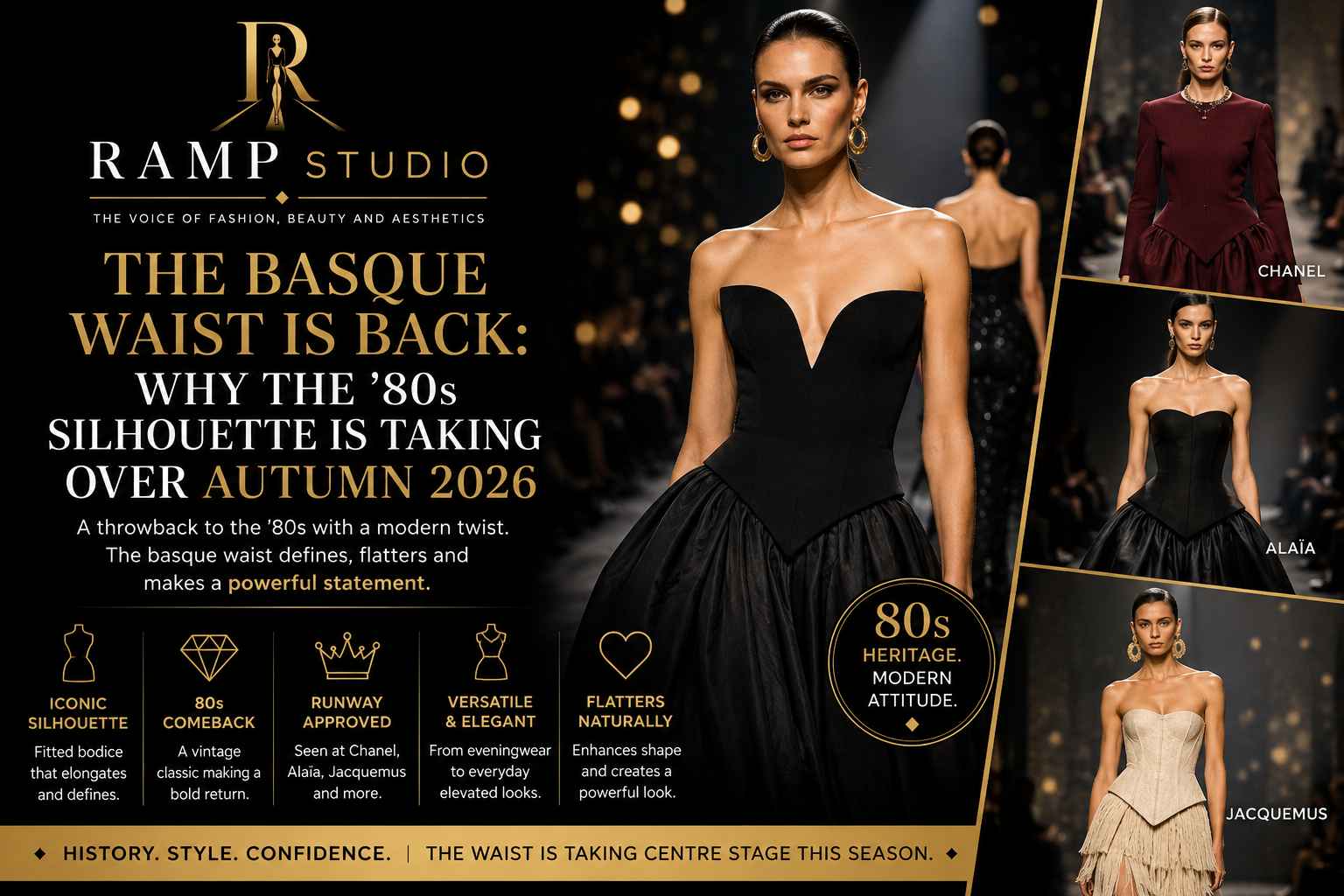
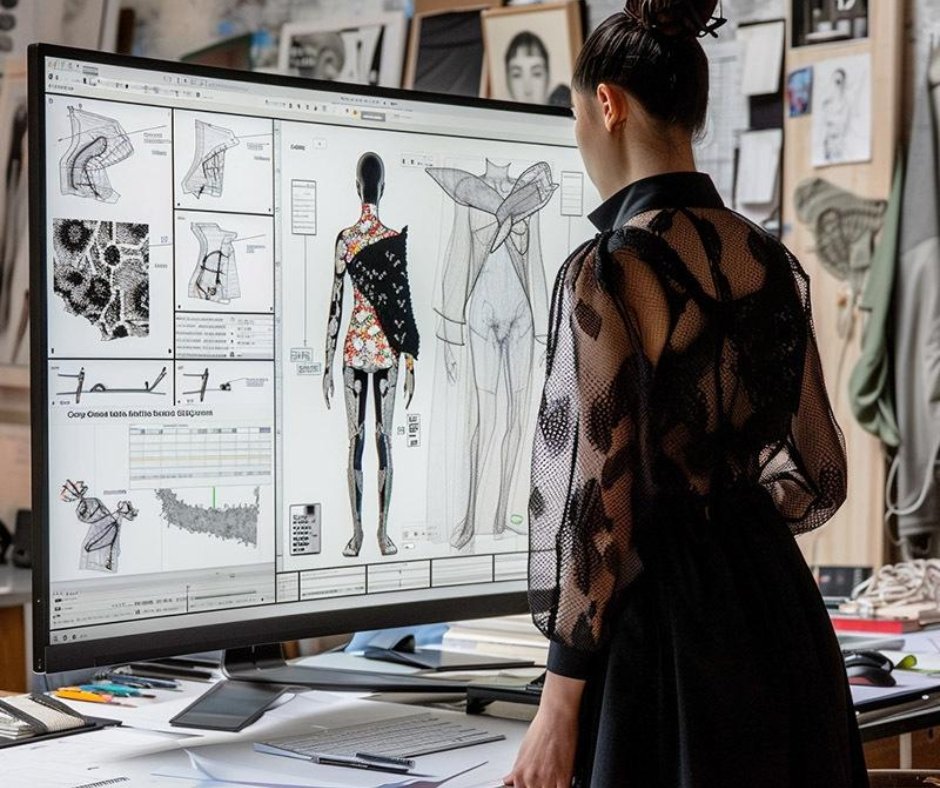
AI is transforming the fashion industry from design and manufacturing to marketing, retail, and sustainability. Rather than replacing human creativity, it’s increasingly becoming a tool that helps designers, brands, and consumers make faster and more informed decisions. Here are some of the biggest ways AI is changing fashion:
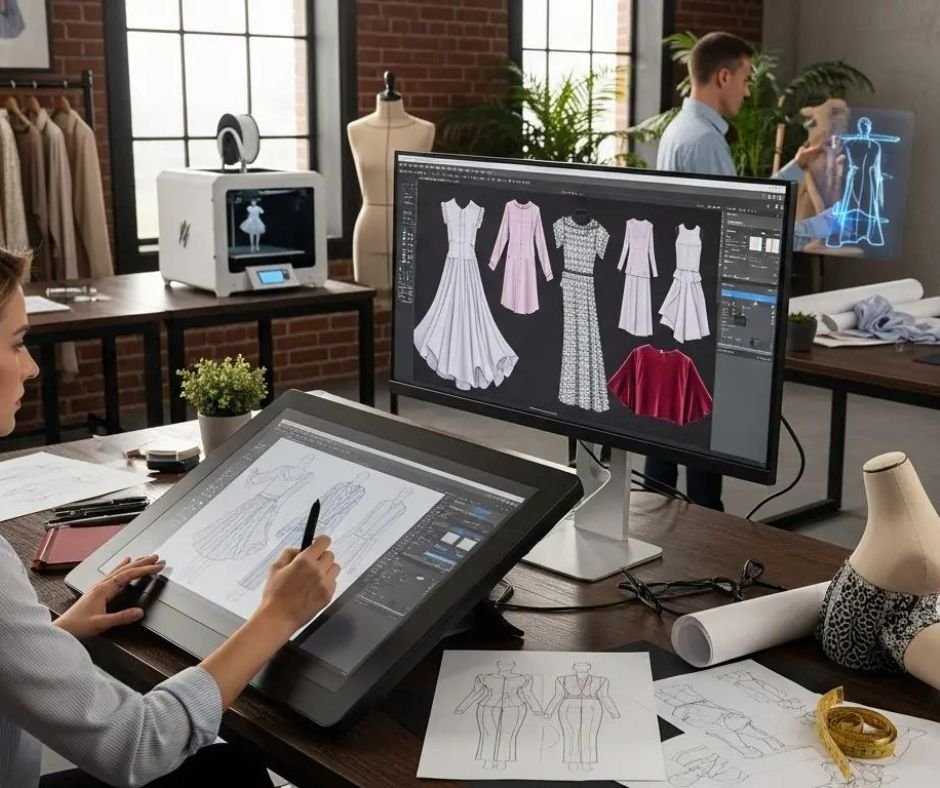
1. Faster design and product development
AI can:
- Generate new clothing concepts based on trends, colors, or themes.
- Help designers experiment with fabrics, patterns, and silhouettes.
- Predict which styles are likely to become popular before they’re produced.
This allows brands to shorten the time from idea to store shelves.
2. Personalized shopping
Retailers use AI to:
- Recommend clothing based on browsing and purchase history.
- Suggest complete outfits instead of individual items.
- Predict sizing to reduce returns.
- Create personalized shopping experiences for each customer.
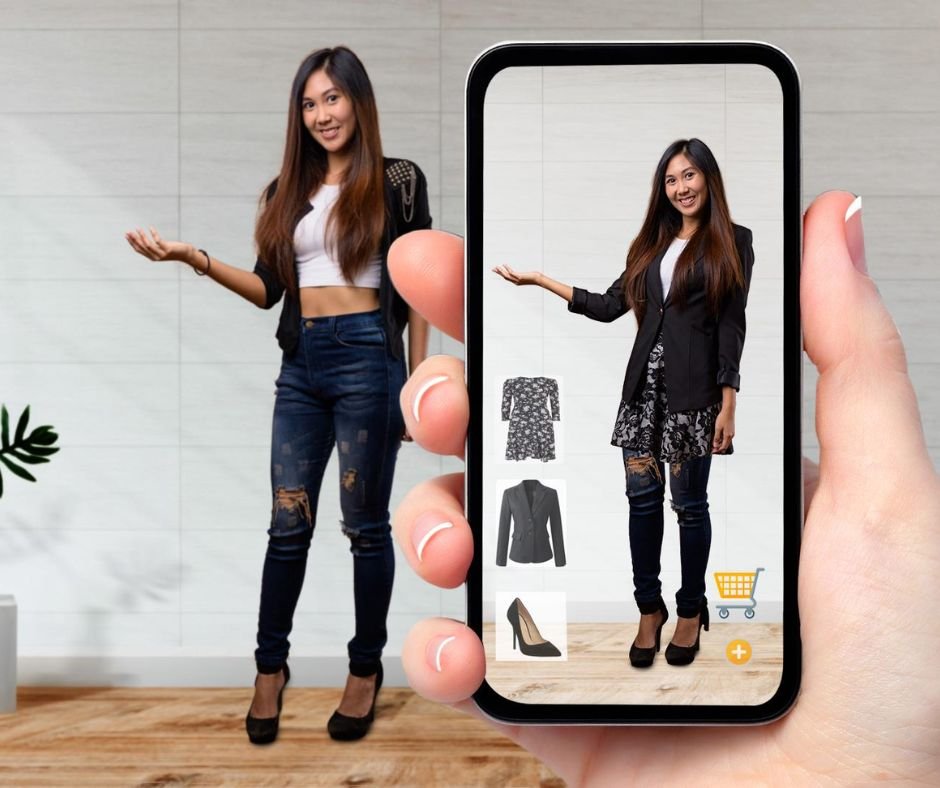
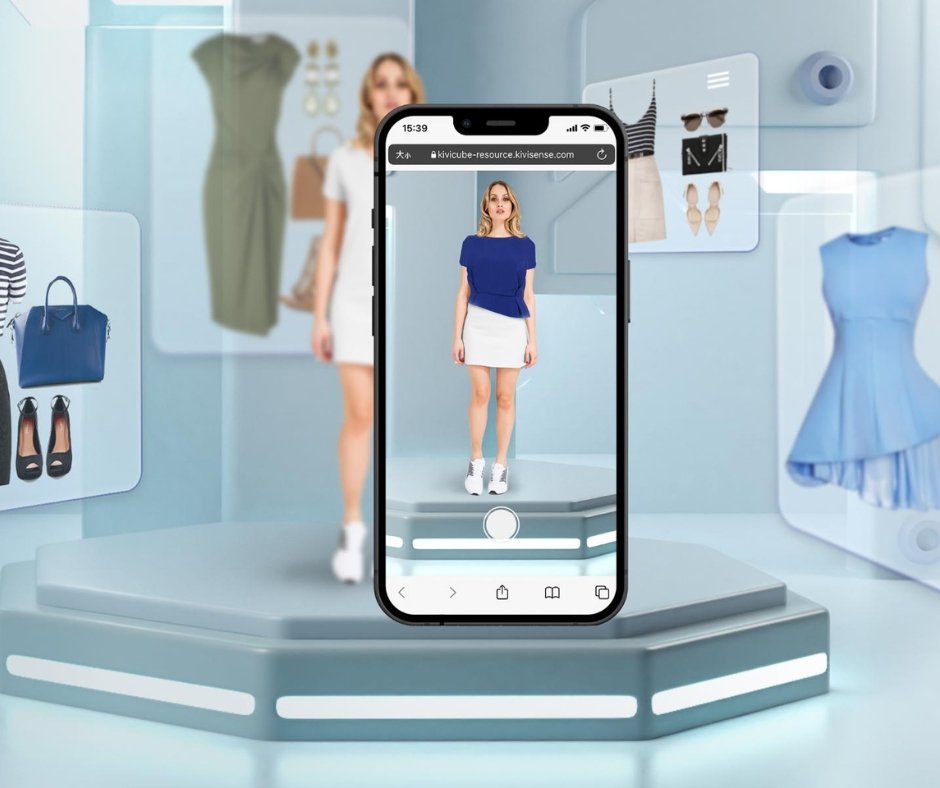
3. Virtual try-ons
Using computer vision and augmented reality, shoppers can:
- See how clothes might look on their body.
- Test different colors and styles without visiting a store.
- Experiment with makeup, shoes, and accessories virtually.
This improves online shopping confidence.
4. Trend forecasting
AI analyzes millions of data points from:
- Social media
- Fashion shows
- Online searches
- Sales data
- Street-style photos
It identifies emerging trends months before they become mainstream, helping brands plan collections more effectively.
5. Smarter inventory management
One of fashion’s biggest challenges is overproduction.
AI helps companies:
- Predict demand more accurately.
- Optimize inventory across stores.
- Reduce waste by producing closer to actual demand.
- Improve supply chain efficiency.
6. Sustainable fashion
AI supports sustainability by:
- Reducing excess production.
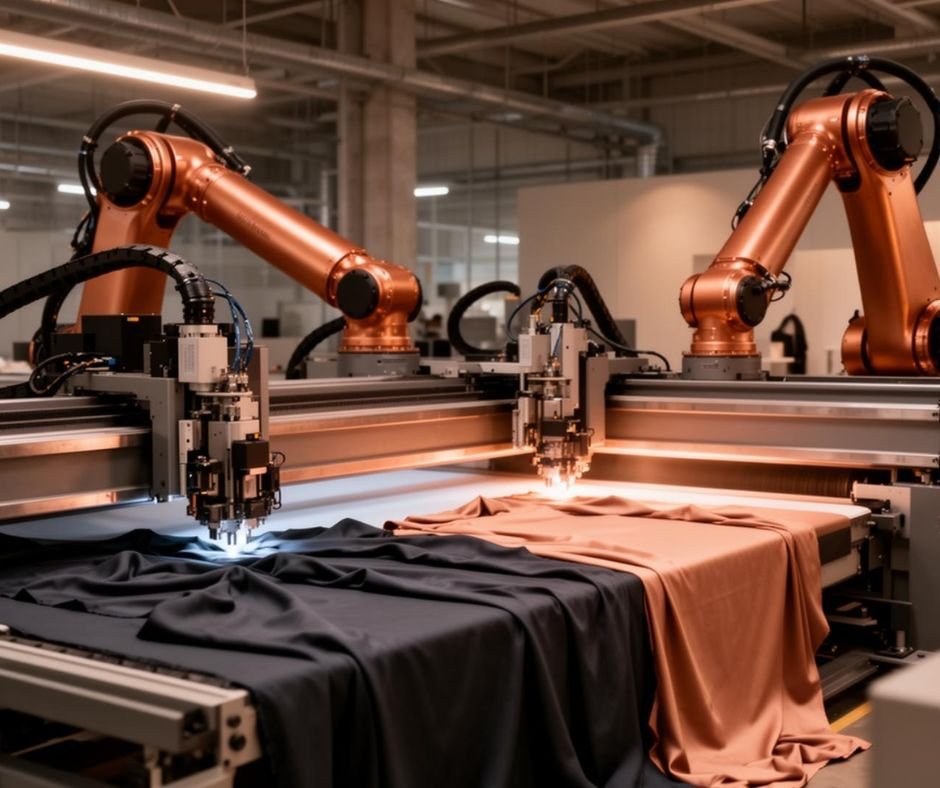
- Optimizing fabric cutting to minimize waste.
- Identifying recyclable materials.
- Helping brands measure environmental impact.
This can lower costs while reducing the industry’s environmental footprint.
7. Quality control
In factories, AI-powered cameras can detect:
- Fabric defects
- Incorrect stitching
- Color inconsistencies
- Manufacturing errors
This improves product quality and reduces waste.
8. Marketing and content creation
Generative AI is used to:
- Create advertising images.
- Write product descriptions.
- Generate social media content.
- Produce digital fashion campaigns featuring AI-generated models.
Brands can create campaigns faster and tailor them to different audiences.
9. Customer service
AI chatbots now help customers:
- Find products.
- Track orders.
- Answer sizing questions.
- Handle returns.
- Provide styling advice 24/7.
Challenges
AI also raises important concerns:
- Intellectual property and ownership of AI-generated designs.
- Potential job displacement for some creative and administrative roles.
- Bias in recommendations if training data isn’t diverse.
- Privacy issues related to customer data.
- The need to balance automation with human creativity.
What’s next?
In the coming years, AI is likely to enable:
- Clothing designed specifically for individual customers.
- Fully digital fashion collections for virtual worlds and gaming.
- Smart factories with highly automated production.
- Hyper-personalized shopping experiences that adapt in real time.
- Better demand forecasting, reducing overproduction and waste.
Overall, AI is making fashion more efficient, personalized, and data-driven while allowing designers to spend more time on creativity and innovation. The brands that are likely to benefit most are those that use AI to augment human expertise rather than replace it.
Views: 1