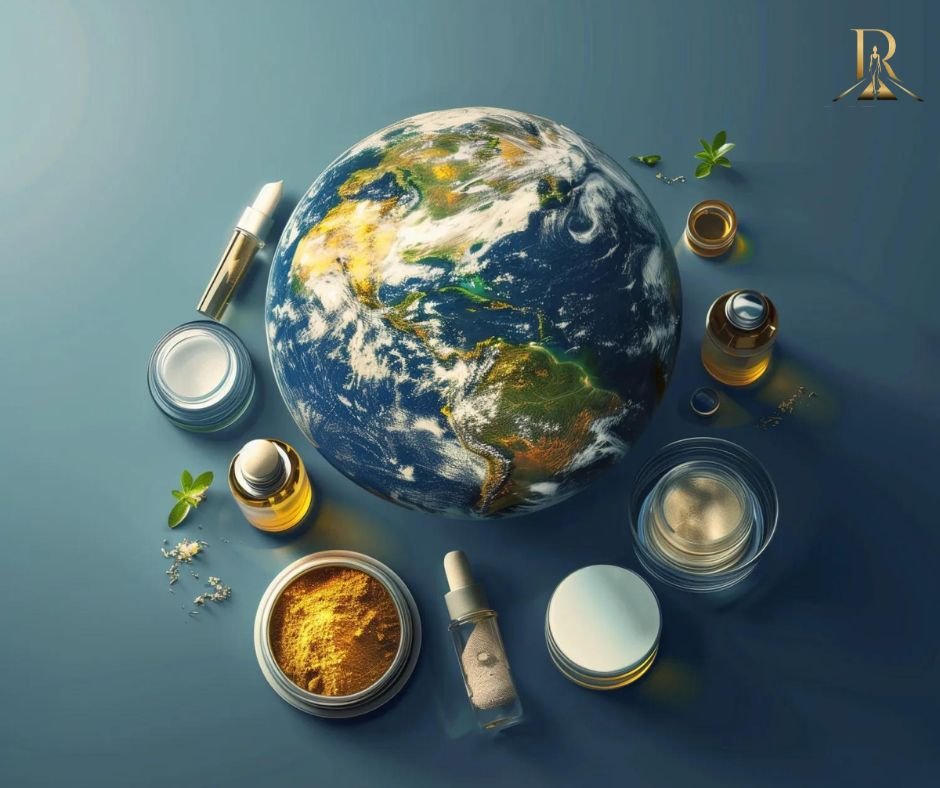
For centuries, humans have adapted their beauty rituals according to their surroundings. Ancient civilisations developed skincare traditions based on their climate — from natural oils used in dry desert regions to botanical remedies created in tropical environments.Today, however, the relationship between climate and skin health is changing dramatically.Rising temperatures, increased UV radiation, air pollution, extreme weather conditions, and changing humidity levels are creating new challenges for our skin.The skin is the body’s largest organ and the first protective barrier against the outside world. As the planet changes, our skincare routines must evolve too. The future of beauty is not only about trends and products. It is about understanding our environment.
How Climate Change Affects the Skin
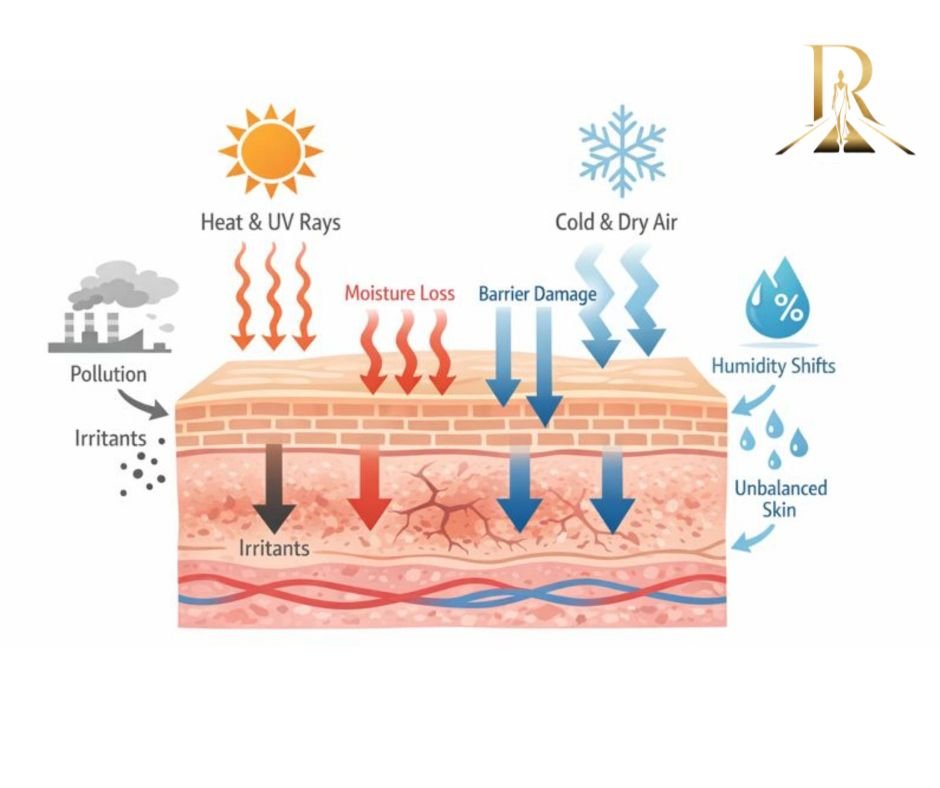
Climate change influences skin health through several major environmental factors:
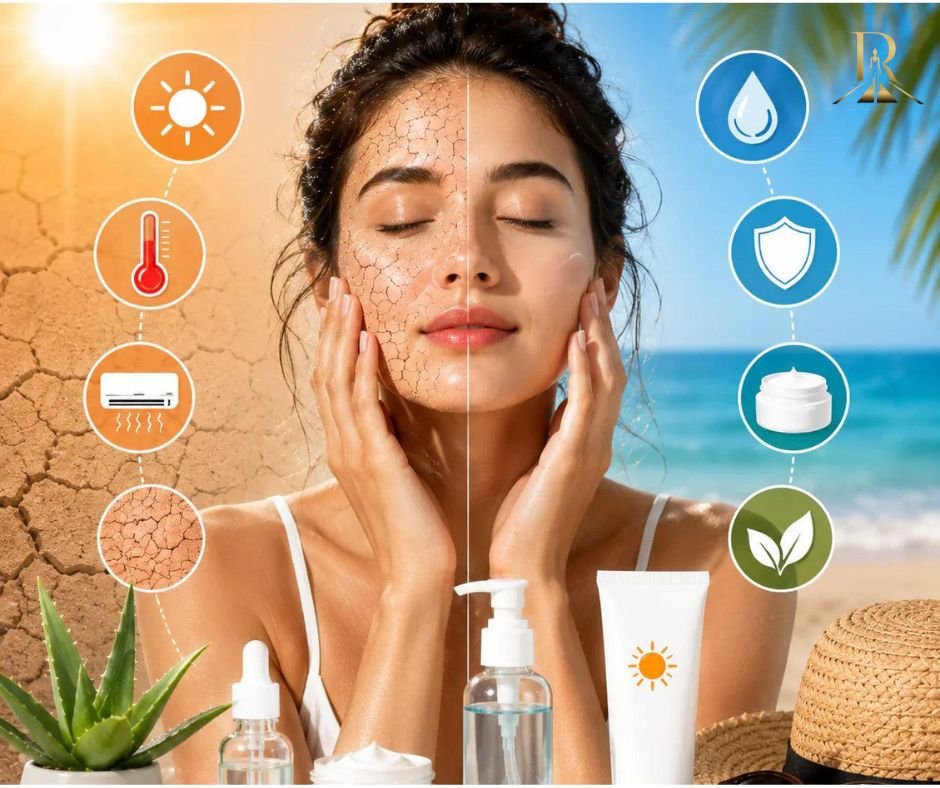
Rising Temperatures and Heat Stress
Higher temperatures increase sweating, oil production, and inflammation.
Hot environments can contribute to:
- Increased skin sensitivity
- Breakouts and clogged pores
- Dehydration
- Excess oil production
- Faster signs of ageing
Extreme heat can weaken the skin barrier, making it more vulnerable to environmental damage.
2. Increased UV Exposure and Premature Ageing
Climate change is linked with changing atmospheric conditions that can increase exposure to harmful ultraviolet radiation in some regions.
Long-term UV exposure remains one of the biggest contributors to:
- Fine lines
- Wrinkles
- Uneven skin tone
- Hyperpigmentation
- Loss of skin elasticity
Sun protection is becoming one of the most important global beauty habits.
3. Air Pollution and Skin Damage
Major cities worldwide are experiencing increasing concerns about air quality.
Pollution particles can interact with the skin and contribute to:
- Oxidative stress
- Dull complexion
- Inflammation
- Premature ageing
- Increased sensitivity
This has created a growing demand for antioxidant skincare products and pollution-protection formulas.
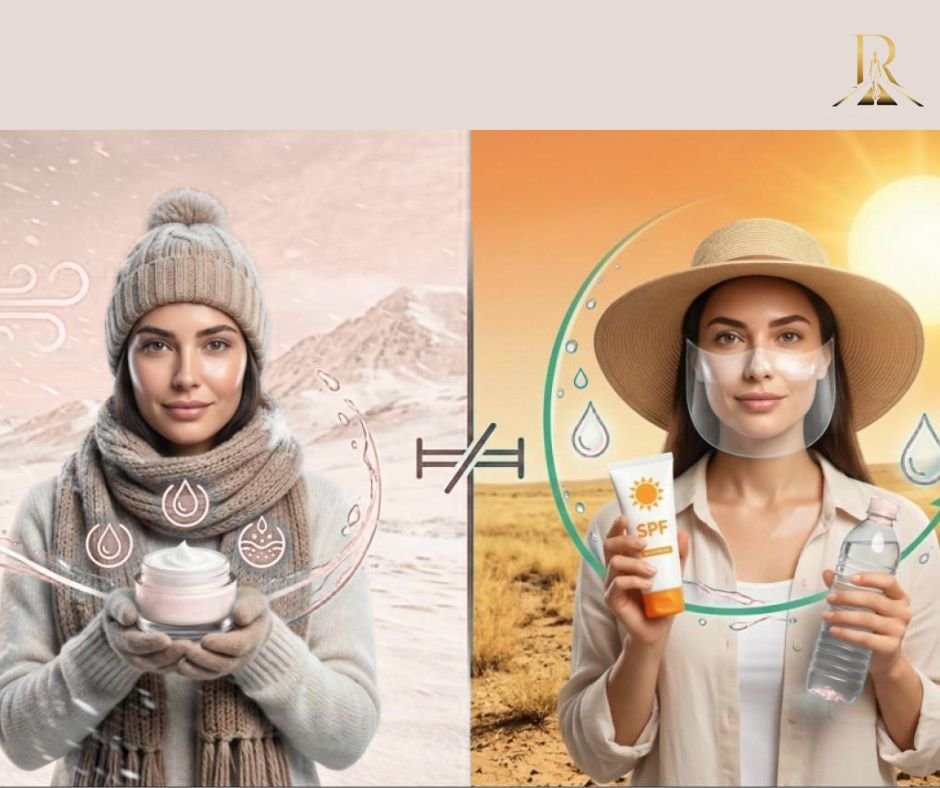
How Climate Change Affects Skin in Different Regions of the World
Tropical Regions: Humidity, Heat and Increased Sensitivity
Examples: Southeast Asia, parts of Africa, South America, tropical islands
Tropical climates often experience:
- High humidity
- Intense sunlight
- Heavy rainfall
- Increased temperatures
Common Skin Challenges:
Excess Oil Production
High humidity can increase sebum production, making skin appear oily and increasing the risk of congestion.
Acne and Breakouts
Sweat, humidity, and pollution can create conditions where breakouts become more common.
Uneven Skin Tone
Strong UV exposure can contribute to pigmentation concerns.
Ideal Skincare Approach:
People living in tropical climates often benefit from:
✔ Lightweight moisturisers
✔ Gel-based skincare
✔ Daily SPF protection
✔ Antioxidant serums
✔ Non-comedogenic products
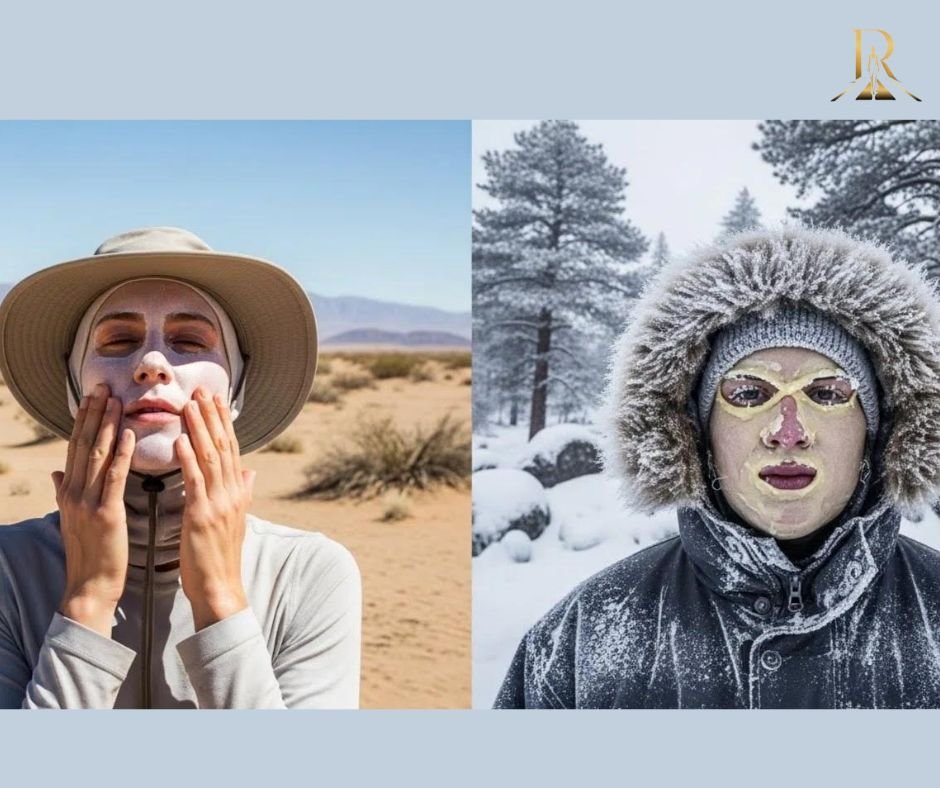
Desert Regions: Extreme Dryness and Accelerated Skin Ageing
Examples: Middle East, North Africa, parts of Australia
Desert climates are characterised by:
- Very low humidity
- Strong sunlight
- High temperatures
- Dry winds
Common Skin Challenges:
Dehydration
Dry air removes moisture from the skin, weakening the protective barrier.
Premature Ageing
High UV exposure combined with dryness can accelerate visible ageing.
Sensitivity
A damaged skin barrier may lead to irritation and redness.
Ideal Skincare Approach:
✔ Hydrating serums
✔ Barrier-repair creams
✔ Hyaluronic acid
✔ Rich moisturisers
✔ High SPF protection
Cold Regions: Dry Air and Compromised Skin Barriers
Examples: Northern Europe, Canada, Scandinavia, Arctic regions
Cold environments create unique skincare challenges.
Common Problems:
Dryness and Flaking
Cold air contains less moisture, which can leave skin dehydrated.
Redness and Sensitivity
Cold temperatures can affect blood vessels and increase irritation.
Damaged Skin Barrier
Wind exposure can remove natural oils from the skin.
Ideal Skincare Approach:
✔ Ceramide-based moisturisers
✔ Gentle cleansers
✔ Protective creams
✔ Hydrating masks
✔ Reduced exfoliation during winter
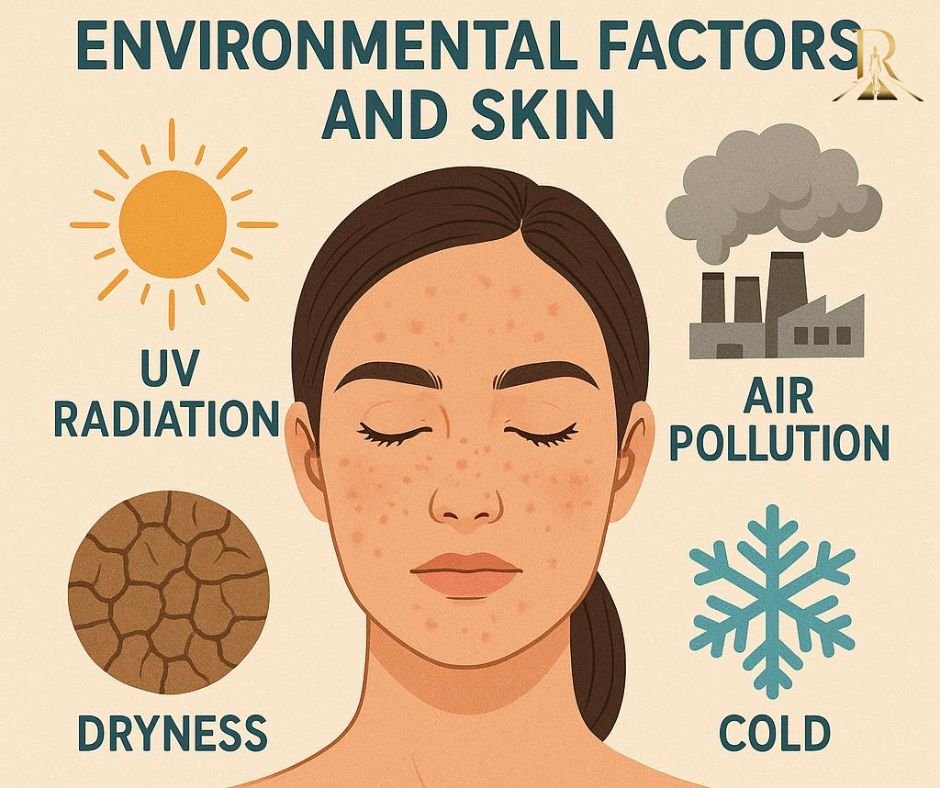
Urban Regions: Pollution, Stress and Digital Lifestyle Effects
Examples: London, New York, Delhi, Beijing, Tokyo
Modern cities combine several environmental pressures:
- Air pollution
- Stress
- Poor air quality
- Indoor heating and cooling systems
Common Skin Challenges:
Pollution Ageing
Environmental pollutants may contribute to oxidative stress and premature ageing.
Dull Skin
Pollution can affect skin brightness and texture.
Sensitivity
Urban environments may increase irritation for sensitive skin types.
Ideal Skincare Approach:
✔ Vitamin C antioxidants
✔ Skin barrier protection
✔ Deep cleansing routines
✔ SPF every day
✔ Hydrating treatments
Climate Change Is Creating a New Era of Personalised Skincare
The future of skincare will move away from one-size-fits-all solutions.
A person living in Dubai, London, Singapore, or Stockholm may need completely different skincare strategies.
Future beauty innovation will focus on:
Climate-Adaptive Skincare
Products designed according to:
- Temperature
- Humidity
- Pollution levels
- Seasonal changes
Smart Skincare Technology
AI-powered tools may analyse:
- Local weather conditions
- Skin behaviour
- Environmental exposure
and recommend personalised routines.
The Rise of Climate-Conscious Beauty Brands
Consumers are becoming more aware that beauty and environmental responsibility are connected.
The next generation of beauty brands is focusing on:
- Sustainable ingredients
- Eco-friendly packaging
- Water-conscious production
- Climate-resilient formulas
Beauty is becoming not only about protecting the skin but also about protecting the planet.
How to Protect Your Skin in a Changing Climate
Regardless of where you live, dermatologists and skincare experts commonly recommend:
1. Use Daily Sunscreen
UV protection remains essential in every climate.
2. Maintain Your Skin Barrier
A healthy barrier helps the skin adapt to environmental stress.
3. Stay Hydrated
Hydration supports skin function from inside and outside.
4. Adapt Your Routine Seasonally
Your skincare needs may change throughout the year.
5. Monitor Environmental Changes
Weather, pollution, and lifestyle changes can influence your skin.
The Future of Beauty: Climate-Aware Skincare
Climate change is reshaping the beauty industry.
The skincare routine of the future will not only consider skin type but also consider the environment around us.
Beauty is becoming more scientific, personalised, and connected to the world we live in.
The question is no longer only:
“What does my skin need?”
The future question will be:
“What does my skin need in this climate?”
As our planet changes, our approach to beauty must change with it.
Frequently Asked Questions (FAQs): Climate Change Effects on Skin
1. How does climate change affect skin health?
Climate change affects skin health through rising temperatures, increased UV exposure, pollution, changing humidity levels, and extreme weather conditions. These environmental changes can contribute to dryness, sensitivity, premature ageing, pigmentation, inflammation, and breakouts.
2. Can climate change make skin age faster?
Yes. Increased UV radiation, air pollution, and environmental stress can accelerate visible signs of ageing. These factors may contribute to collagen breakdown, fine lines, wrinkles, uneven skin tone, and reduced skin elasticity.
3. Does hot weather damage the skin?
Hot weather can affect the skin by increasing sweating, oil production, and dehydration. High temperatures may lead to clogged pores, acne breakouts, irritation, and weakened skin barrier function.
4. How does humidity affect the skin?
Humidity can have different effects depending on the skin type. High humidity may increase oil production and contribute to breakouts, while low humidity can cause moisture loss, dryness, and sensitivity.
5. Why does my skin become dry during winter?
Cold climates usually have lower humidity levels, which reduces moisture in the air. Cold winds and indoor heating can remove natural oils from the skin, leading to dryness, flaking, redness, and irritation.
6. How does pollution affect skin?
Air pollution exposes the skin to harmful particles that can create oxidative stress. This may result in dullness, inflammation, premature ageing, uneven pigmentation, and increased sensitivity.
7. Does climate change increase pigmentation problems?
Yes. Increased UV exposure and environmental stress can stimulate excess melanin production, which may lead to dark spots, uneven skin tone, and hyperpigmentation.
8. What skincare routine is best for hot and humid climates?
For hot and humid environments, a lightweight skincare routine is often preferred:
- Gentle cleanser
- Water-based moisturiser
- Antioxidant serum
- Non-comedogenic products
- Daily broad-spectrum sunscreen
9. What skincare products are useful for dry climates?
People living in dry climates may benefit from:
- Hydrating serums
- Hyaluronic acid
- Ceramide moisturisers
- Barrier-repair creams
- Nourishing facial oils
- Daily sunscreen
These ingredients help maintain moisture and strengthen the skin barrier.
10. Is sunscreen important even when it is cloudy?
Yes. Harmful UV rays can still reach the skin on cloudy days. Daily sunscreen use helps protect against sun damage, premature ageing, and pigmentation concerns.
11. Can changing climate trigger acne?
Yes. Climate changes can influence oil production, sweating, humidity, and pollution exposure. These factors may contribute to clogged pores and acne flare-ups.
12. What is climate-adaptive skincare?
Climate-adaptive skincare refers to products and routines designed according to environmental conditions such as temperature, humidity, pollution levels, and seasonal changes.
13. How can I protect my skin from pollution?
To protect skin from pollution:
- Cleanse properly at the end of the day
- Use antioxidant skincare ingredients such as vitamin C
- Maintain a healthy skin barrier
- Apply sunscreen daily
- Avoid harsh over-exfoliation
14. Does climate change affect sensitive skin?
Yes. Extreme weather conditions, pollution, and temperature changes can increase skin sensitivity, causing redness, irritation, dryness, and discomfort.
15. Will skincare become more personalised because of climate change?
Yes. The future of skincare is expected to become more personalised, combining information about individual skin type with environmental factors such as location, weather, and pollution exposure.
16. Which regions have the biggest climate-related skincare challenges?
Different regions face different challenges:
- Tropical areas: humidity, oiliness, acne, pigmentation
- Desert areas: dehydration, dryness, UV damage
- Cold regions: dryness, irritation, weakened barrier
- Urban areas: pollution, oxidative stress, premature ageing
17. Can lifestyle choices help skin adapt to climate changes?
Yes. A healthy lifestyle supports skin resilience. Important factors include:
- Drinking enough water
- Eating antioxidant-rich foods
- Getting quality sleep
- Managing stress
- Following a suitable skincare routine
18. What is the future of beauty in a changing climate?
The future of beauty will focus on climate-aware skincare, sustainable ingredients, personalised treatments, and technology-driven solutions designed to protect skin in changing environmental conditions.
Views: 1