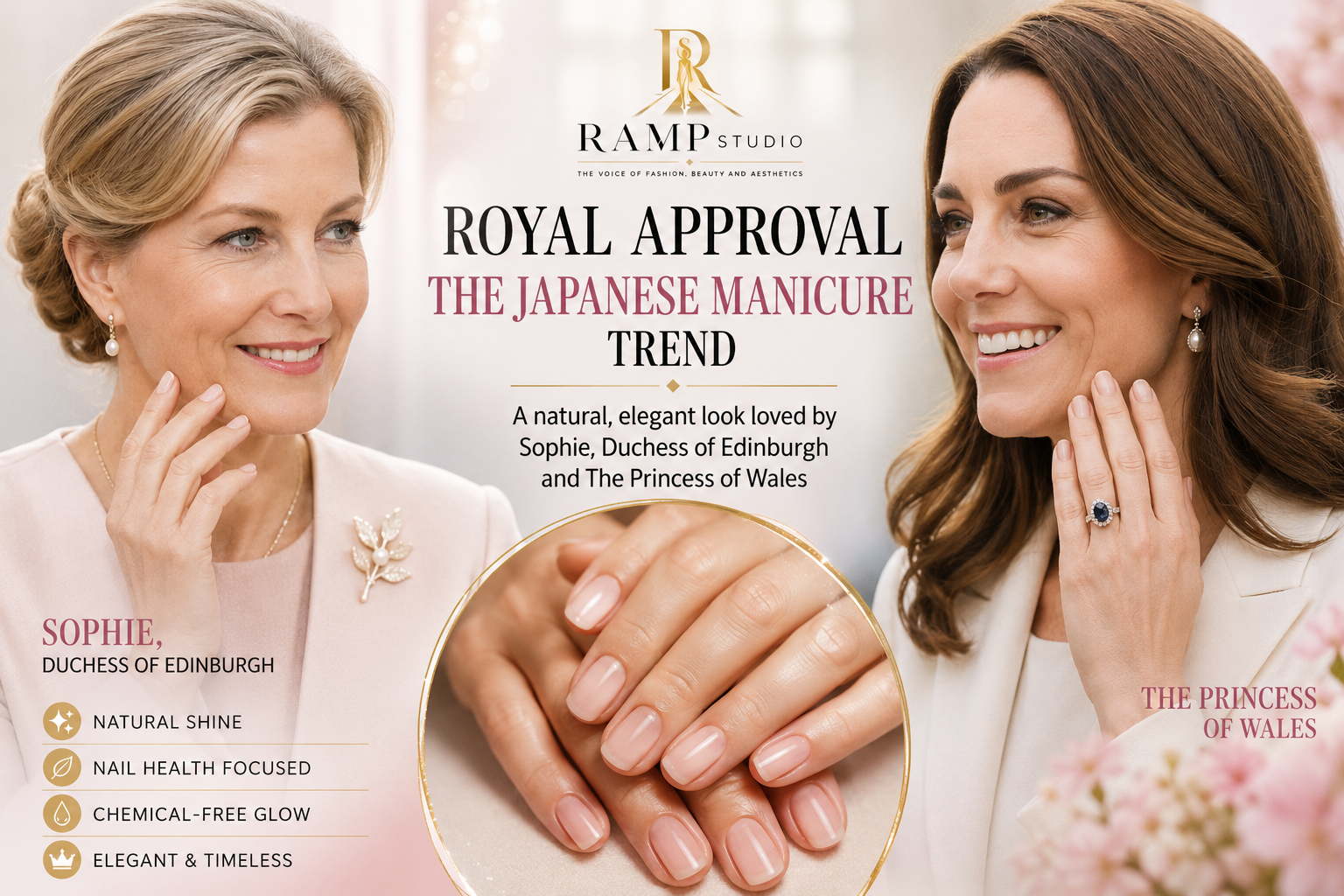
Natural beauty continues to shape modern fashion and beauty trends, and one of the latest royal-inspired styles gaining attention is the Japanese manicure. Recently, Sophie, Duchess of Edinburgh, was noted for wearing beautifully natural-looking nails that closely resemble the understated manicure style often associated with Catherine, Princess of Wales. Rather than bold colors or elaborate nail art, this elegant manicure celebrates healthy, polished nails with a subtle shine. The trend reflects a growing preference for minimalist beauty, timeless sophistication, and nail health over temporary fashion statements.
What Is a Japanese Manicure?
A Japanese manicure is a traditional nail care technique that focuses on improving the natural appearance and health of the nails instead of covering them with polish or artificial enhancements.
The treatment typically involves:
- Gentle nail shaping
- Cuticle care
- Buffing the nail surface
- Applying a nourishing mineral paste
- Sealing the nails with a natural polishing powder
The result is smooth, glossy nails that appear naturally healthy without the need for colored nail polish.
Why Is the Japanese Manicure Trending?
The growing popularity of the Japanese manicure reflects broader beauty trends centered on wellness, simplicity, and sustainability.
Many people are choosing natural nail treatments because they:
- Enhance the natural beauty of nails
- Reduce exposure to harsh chemicals
- Require less maintenance than gel or acrylic nails
- Complement both casual and formal styles
- Support healthier nail growth over time
The elegant appearance seen on members of the British royal family has also increased interest in minimalist nail aesthetics.
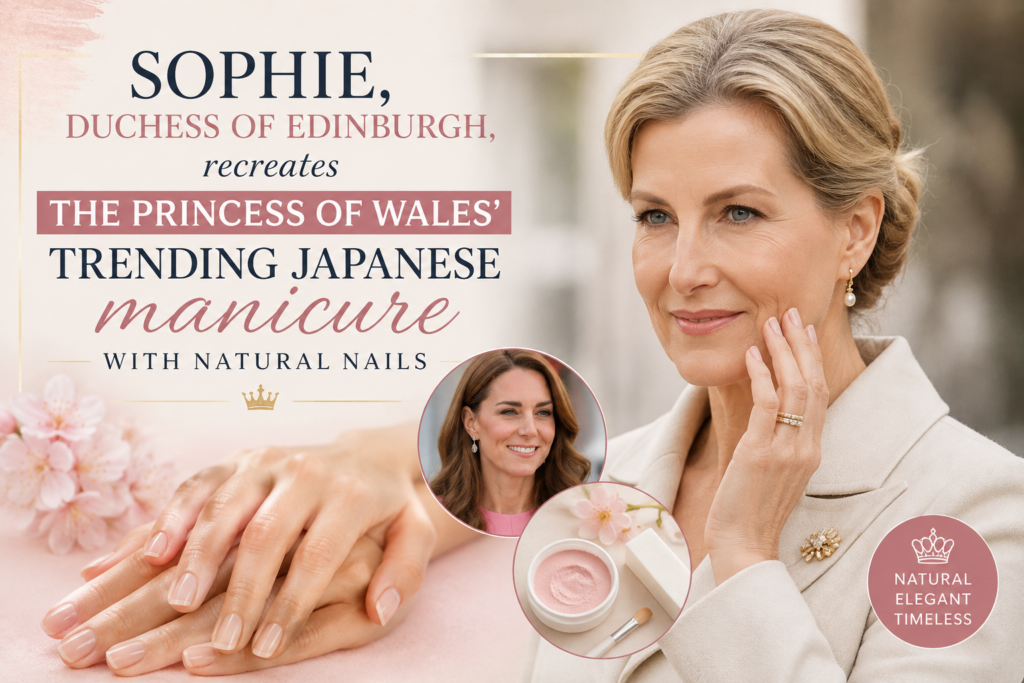
Sophie, Duchess of Edinburgh’s Elegant Nail Style
Sophie, Duchess of Edinburgh, is well known for her refined and understated fashion choices. Her recent public appearances have showcased neatly groomed, natural-looking nails with a soft sheen, reflecting the same polished aesthetic that has become associated with the Princess of Wales.
While royal households rarely comment on specific beauty products or salon treatments, beauty experts have observed that both royals consistently favor understated manicures that align with traditional royal etiquette and timeless elegance.
This natural approach complements Sophie’s classic wardrobe and reinforces the growing appeal of subtle beauty rather than dramatic nail designs.
The Princess of Wales and the Return of Minimalist Beauty
The Princess of Wales has long been admired for her sophisticated beauty style. From natural makeup to elegant hairstyles, her overall look emphasizes healthy skin, understated elegance, and classic grooming.
Her preference for neutral or nearly invisible manicures has inspired many people to embrace a less-is-more philosophy.
As minimalist beauty continues to influence fashion and cosmetics, natural manicures have become increasingly popular among professionals, brides, and individuals seeking an effortlessly polished appearance.
Benefits of a Japanese Manicure
One reason this manicure continues to gain popularity is its focus on nail health.
Some potential benefits include:
Healthier Nails
Natural minerals and nourishing ingredients help improve the appearance of dry or brittle nails.
Beautiful Natural Shine
Instead of using colored polish, the treatment creates a soft, glossy finish through careful buffing and polishing.
Low Maintenance
Unlike gel manicures, Japanese manicures typically do not require soaking off or extensive maintenance.
Suitable for Most Nail Types
The treatment works well for many people, especially those looking to restore nails after acrylic or gel enhancements.
Elegant and Professional
Natural nails pair well with any outfit or occasion, making them a versatile choice for work, weddings, and everyday wear.
How Is a Japanese Manicure Performed?
Although techniques may vary between salons, the process generally includes:
- Cleaning and shaping the nails.
- Caring for the cuticles.
- Buffing the nail surface.
- Applying a mineral-rich nourishing paste.
- Buffing in a natural polishing powder.
- Finishing with a soft, healthy shine.
The process typically takes around 45–60 minutes.
Can You Do a Japanese Manicure at Home?
Yes. Home manicure kits inspired by traditional Japanese techniques are available and usually include:
- Nail buffer
- Mineral paste
- Polishing powder
- Nail file
- Cuticle care tools
However, for the best results, many people prefer visiting a professional nail technician.
Who Should Try This Nail Trend?
A Japanese manicure may be ideal for people who:
- Prefer natural beauty
- Want healthier-looking nails
- Are taking a break from gel or acrylic nails
- Work in professional environments
- Appreciate timeless, elegant styles
Tips for Maintaining Naturally Beautiful Nails
Whether you choose a Japanese manicure or simply want healthier nails, consider these habits:
- Keep nails clean and dry.
- Moisturize cuticles regularly.
- Eat a balanced diet rich in protein, iron, and biotin.
- Avoid using nails as tools.
- Wear gloves when cleaning.
- Limit excessive exposure to harsh chemicals.
Why Minimalist Beauty Continues to Grow
The popularity of understated beauty reflects changing consumer preferences. Increasingly, people are prioritizing healthy skin, natural hair, and well-maintained nails over highly elaborate beauty routines.
This trend aligns with broader movements toward wellness, sustainability, and authenticity, making treatments like the Japanese manicure more relevant than ever.
Final Thoughts
The elegant, natural manicure style seen on Sophie, Duchess of Edinburgh and often associated with the Princess of Wales highlights the growing appreciation for healthy, understated beauty.
Rather than following short-lived fashion trends, the Japanese manicure celebrates well-cared-for nails with a naturally radiant finish. Its emphasis on nail health, simplicity, and timeless elegance makes it an appealing choice for anyone looking to enhance their natural beauty.
Frequently Asked Questions (FAQs)
What is a Japanese manicure?
A Japanese manicure is a natural nail treatment that uses mineral-rich paste and polishing powder to improve the appearance and shine of natural nails without colored polish.
Why is the Japanese manicure becoming popular?
Its focus on healthy, natural-looking nails aligns with current beauty trends centered on wellness, minimalism, and sustainability.
Does a Japanese manicure use nail polish?
No. Traditional Japanese manicures create shine through buffing and nourishing products rather than colored polish.
Is a Japanese manicure suitable for damaged nails?
Many people choose this treatment to help improve the appearance of dry or brittle nails, although those with significant nail concerns should seek advice from a qualified healthcare professional.
How long does a Japanese manicure last?
The natural shine typically lasts for one to two weeks, depending on nail growth and daily activities.
Can men get a Japanese manicure?
Yes. Because it focuses on healthy, natural-looking nails, it is suitable for anyone.
Is a Japanese manicure better than gel nails?
They serve different purposes. Japanese manicures prioritize nail health and a natural appearance, while gel nails provide long-lasting color and durability.
How often should you get a Japanese manicure?
Many salons recommend every two to three weeks to maintain healthy, polished nails.
Sources
The information in this article is based on guidance and reporting from reputable organizations and publications:
- American Academy of Dermatology (AAD) – Nail care tips: https://www.aad.org
- British Association of Dermatologists – Nail health guidance: https://www.bad.org.uk
- NHS (UK) – Nail health information: https://www.nhs.uk
- Hello! Magazine – Coverage of royal fashion and beauty trends: https://www.hellomagazine.com
- People – Reporting on royal style and public appearances: https://people.com
Disclaimer: This article is intended for informational purposes only. References to public figures are based on publicly reported appearances and beauty trend commentary. It does not claim or confirm the specific beauty treatments used by any individual unless officially disclosed
Views: 0