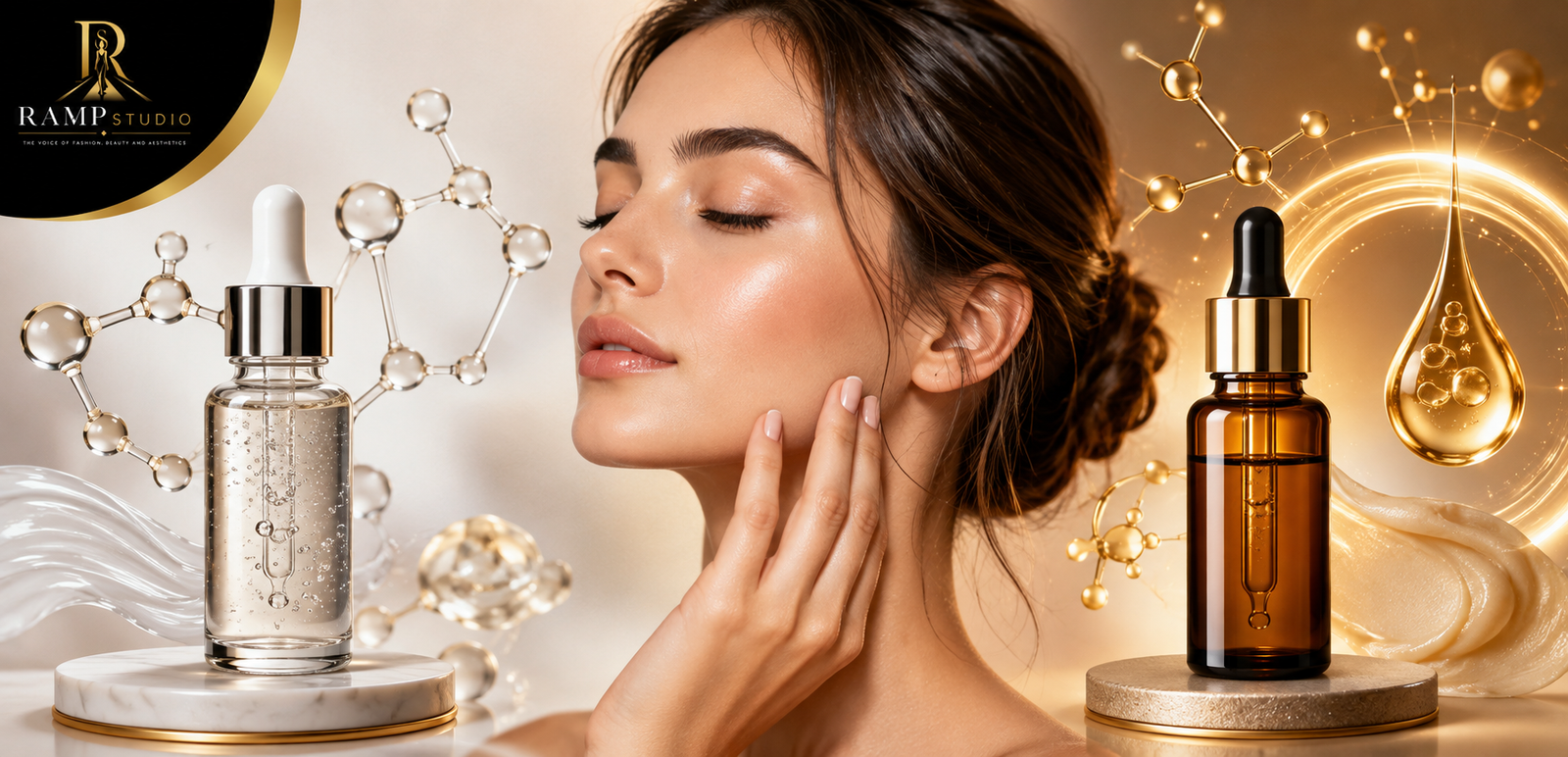
When it comes to anti-aging skincare, two ingredients consistently stand out: peptides and retinol. Both are widely recommended by dermatologists for improving skin texture, reducing wrinkles, and promoting a more youthful appearance. However, they work in different ways and may suit different skin types and skincare goals. If you’ve ever wondered whether peptides or retinol is the better choice—or whether you can use them together—this guide explains the science, benefits, and best practices to help you build an effective anti-aging routine.
The Ordinary Niacinamide 10% + Zinc 1% 30ml
What Are Peptides?
Peptides are short chains of amino acids, the building blocks of proteins such as collagen and elastin. These proteins help keep skin firm, smooth, and resilient. As we age, natural collagen production declines. Peptides help support the skin by signaling it to produce more collagen and strengthen its protective barrier.
Benefits of Peptides
- Improve skin firmness
- Support collagen production
- Strengthen the skin barrier
- Reduce the appearance of fine lines
- Improve hydration
- Suitable for sensitive skin
Unlike stronger active ingredients, peptides are generally well tolerated and can be used daily.
IUNIK Tea Tree Relief Toner
What Is Retinol?
Retinol is a derivative of vitamin A and one of the most researched anti-aging skincare ingredients available. Retinol works by increasing skin cell turnover and stimulating collagen production, helping improve skin texture and reduce visible signs of aging.
Benefits of Retinol
- Softens fine lines
- Reduces wrinkles
- Improves uneven skin tone
- Fades post-acne marks
- Helps unclog pores
- Supports collagen renewal
Because retinol accelerates cell turnover, some users may experience temporary dryness or irritation while their skin adjusts.
How Peptides Improve Skin Firmness
Collagen is responsible for maintaining youthful, firm skin. As collagen production slows with age, skin can become thinner and lose elasticity. Peptides help by encouraging the skin’s natural repair processes. Over time, this may improve firmness and reduce the appearance of early signs of aging. People often choose peptide-based products because they are gentle enough for everyday use and work well in long-term skincare routines.
How Retinol Fights Signs of Aging
Retinol is considered one of the gold-standard ingredients for improving visible skin aging.
Its benefits include:
- Increasing collagen production
- Speeding up skin renewal
- Smoothing rough texture
- Reducing pigmentation caused by sun damage
- Improving skin radiance
Visible improvements usually appear after several weeks of consistent use, while collagen-related benefits may take several months.
Peptides vs Retinol: What’s the Difference?
| Feature | Peptides | Retinol |
|---|---|---|
| Main Purpose | Support collagen and strengthen skin | Increase cell turnover and collagen production |
| Best For | Early aging, hydration, sensitive skin | Wrinkles, uneven tone, acne-prone skin |
| Irritation Risk | Low | Moderate, especially when starting |
| Daily Use | Morning and evening | Usually evening only |
| Suitable for Beginners | Yes | Yes, but start slowly |
Both ingredients have different strengths and can complement each other when used correctly.
Which Ingredient Is Better for Wrinkles?
There isn’t a single answer because it depends on your skin’s needs.
Peptides may be better if you:
- Have sensitive skin
- Want gentle anti-aging support
- Experience dryness
- Want to strengthen your skin barrier
Retinol may be better if you:
- Have visible wrinkles
- Want smoother skin texture
- Have sun damage
- Want to address acne and aging simultaneously
Many dermatologists recommend combining both ingredients for a balanced anti-aging routine.
Can You Use Peptides and Retinol Together?
Yes. Peptides and retinol can often be used in the same skincare routine.
A simple routine might look like this:
Morning
- Gentle cleanser
- Peptide serum
- Moisturizer
- Broad-spectrum sunscreen (SPF 30 or higher)
Evening
- Cleanser
- Retinol
- Moisturizer
- Peptide cream (if compatible with your product instructions)
If you’re new to retinol, start by applying it two or three nights per week before increasing frequency as tolerated.
How to Choose Between Peptides and Retinol
Choose peptides if your goal is to:
- Improve hydration
- Support the skin barrier
- Maintain youthful-looking skin
- Minimize irritation
Choose retinol if your goal is to:
- Reduce wrinkles
- Improve uneven pigmentation
- Smooth rough skin
- Treat acne while addressing signs of aging
Some people benefit from incorporating both into their skincare routine after consulting a dermatologist or skincare professional.
Common Mistakes to Avoid
To get the best results, avoid these common skincare mistakes:
- Using too much retinol too quickly
- Skipping sunscreen during the day
- Expecting overnight results
- Applying strong exfoliating acids with retinol without guidance
- Inconsistent skincare routines
- Ignoring signs of excessive irritation
Consistency is often more important than using many active ingredients at once.
Tips for Healthier, Younger-Looking Skin
In addition to topical skincare, healthy habits can help support your skin over time:
- Wear sunscreen every day.
- Stay hydrated.
- Eat a balanced diet rich in antioxidants.
- Get enough sleep.
- Avoid smoking.
- Cleanse your skin gently.
- Moisturize regularly.
Frequently Asked Questions
Are peptides better than retinol?
Neither ingredient is universally better. Peptides provide gentle support for collagen and skin barrier function, while retinol has stronger evidence for improving wrinkles, skin texture, and pigmentation.
Can beginners use retinol?
Yes. Beginners should start with a low-strength retinol and use it a few times a week before increasing frequency as their skin adapts.
Can I use peptides every day?
Yes. Peptides are generally suitable for daily use in both morning and evening skincare routines.
Do peptides cause skin irritation?
Peptides are usually well tolerated, although individual reactions can vary. Patch testing new products is a good practice.
Is sunscreen necessary when using retinol?
Yes. Retinol can increase skin sensitivity to sunlight, so applying a broad-spectrum sunscreen during the day is an essential part of any retinol routine.
Final Thoughts
Peptides and retinol are both valuable ingredients in modern anti-aging skincare, but they serve different purposes. Peptides focus on supporting the skin’s natural structure and barrier, while retinol promotes faster skin renewal and has strong evidence for reducing visible signs of aging.
Rather than viewing them as competitors, many skincare routines benefit from using them together in a thoughtful way. Pairing these ingredients with daily sunscreen, gentle cleansing, and consistent moisturizing can help support healthier, smoother, and firmer-looking skin over time.
Sources
- American Academy of Dermatology (AAD): https://www.aad.org
- National Institutes of Health (NIH): https://www.nih.gov
- American Society for Dermatologic Surgery (ASDS): https://www.asds.net
- Cleveland Clinic: https://health.clevelandclinic.org
Views: 0