When it comes to skincare, people often invest in expensive serums, moisturizers, and anti-aging treatments while overlooking one product that dermatologists consistently consider essential—sunscreen. Whether your goal is preventing wrinkles, maintaining an even skin tone, reducing dark spots, or protecting yourself from skin cancer, sunscreen is the foundation of every effective skincare routine. Without daily sun protection, many other skincare products cannot deliver their full benefits because ultraviolet (UV) radiation continuously damages the skin.
In this guide, you’ll learn why sunscreen matters, how it works, how to choose the right one, and the best practices for daily use.
What Is Sunscreen?
Sunscreen is a skincare product designed to protect your skin from the harmful effects of the sun’s ultraviolet (UV) rays. These rays can damage skin cells even on cloudy days or while you’re indoors near windows.
There are two main types of UV radiation that affect your skin:
- UVA Rays: Cause premature aging, wrinkles, pigmentation, and can penetrate glass.
- UVB Rays: Cause sunburn and play a major role in the development of skin cancer.
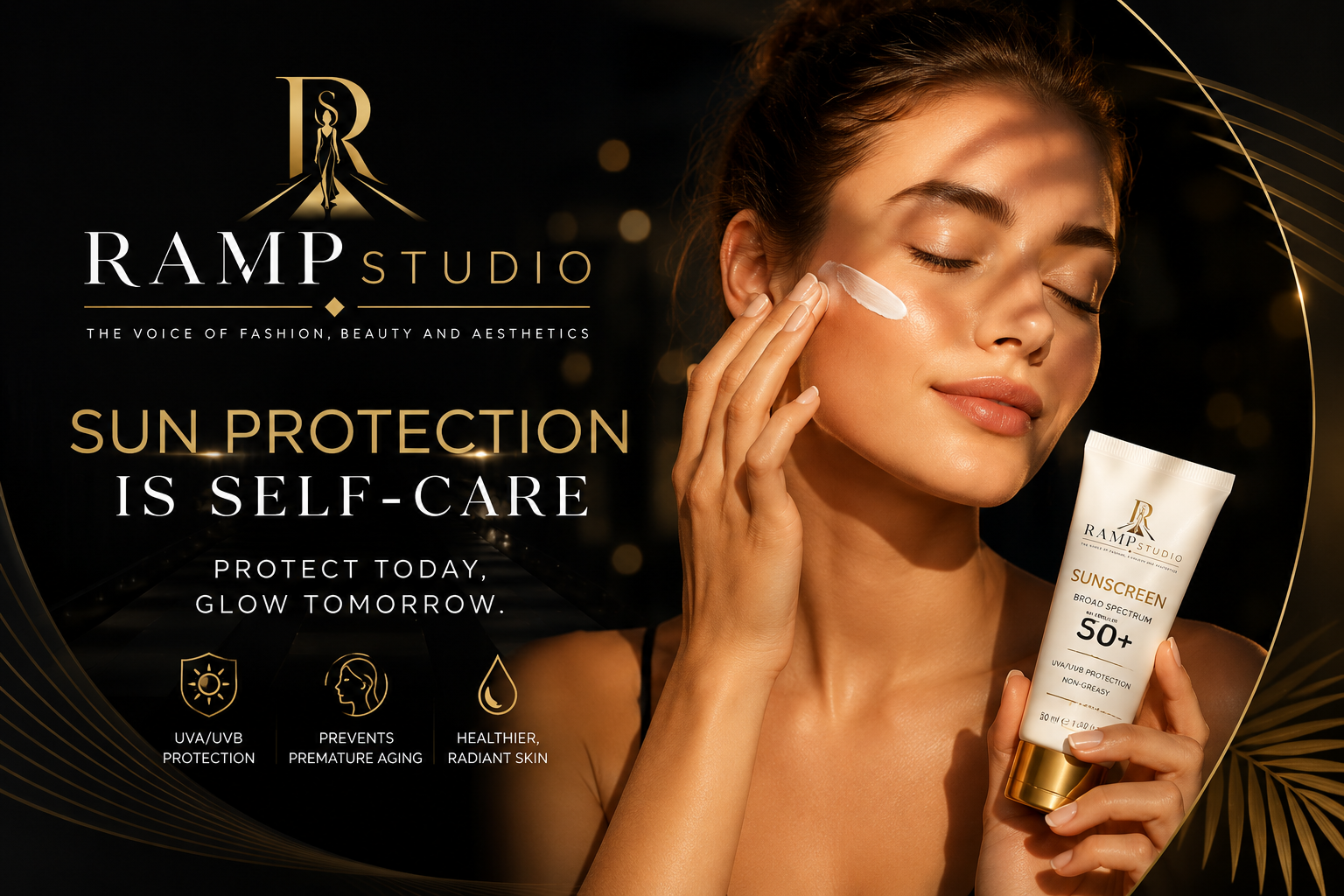
A broad-spectrum sunscreen protects against both UVA and UVB rays.
Why Is Sunscreen So Important?
1. Helps Prevent Skin Cancer
One of the biggest reasons to wear sunscreen is that it helps reduce the risk of skin cancer caused by repeated UV exposure. Protecting your skin every day lowers cumulative sun damage over time.
2. Slows Premature Aging
Sun exposure is responsible for many visible signs of aging, including:
- Fine lines
- Wrinkles
- Loss of skin elasticity
- Rough skin texture
- Sagging
Daily sunscreen helps preserve collagen and elastin, keeping skin looking younger for longer.
3. Prevents Hyperpigmentation
Dark spots, uneven skin tone, and post-acne marks often become worse after sun exposure.
Regular sunscreen use helps:
- Reduce pigmentation
- Prevent new dark spots
- Support brighter, more even-looking skin
4. Protects Sensitive Skin
People with conditions like:
- Rosacea
- Melasma
- Acne
- Eczema
often notice flare-ups after sun exposure. Sunscreen provides an additional layer of protection that can help reduce irritation triggered by UV rays.
5. Makes Your Skincare Routine More Effective
Many active skincare ingredients increase sun sensitivity, including:
- Retinol
- Retinoids
- Vitamin C
- AHAs
- BHAs
- Chemical peels
Without sunscreen, these treatments may lead to increased irritation and pigmentation. Wearing sunscreen helps protect your skin while allowing these products to work more effectively.
Does Everyone Need Sunscreen?
Yes.
Regardless of:
- Skin tone
- Age
- Gender
- Skin type
everyone benefits from daily sun protection. Although darker skin contains more melanin, it can still experience sun damage, pigmentation, and skin cancer.
How to Choose the Right Sunscreen
Look for these features:
- Broad-spectrum protection
- SPF 30 or higher for daily use
- Water-resistant if swimming or exercising
- Suitable for your skin type
For Oily Skin
- Lightweight gel formulas
- Oil-free products
- Matte finish
For Dry Skin
- Cream-based sunscreen
- Moisturizing ingredients such as hyaluronic acid or ceramides
For Sensitive Skin
- Fragrance-free formulas
- Mineral sunscreens with zinc oxide or titanium dioxide
How Much Sunscreen Should You Apply?
Most adults need approximately:
- About two finger lengths for the face and neck.
- Around one ounce (about a shot-glass amount) for the entire body.
Applying too little sunscreen significantly reduces the level of protection.
When Should You Apply Sunscreen?
Apply sunscreen:
- 15–20 minutes before going outdoors.
- Every morning as the last step of your skincare routine.
- Before makeup.
Reapply:
- Every two hours outdoors.
- After swimming.
- After heavy sweating.
- After towel drying.
Common Sunscreen Mistakes
Avoid these common errors:
- Only applying sunscreen during summer.
- Skipping sunscreen on cloudy days.
- Forgetting the ears, neck, hands, lips, and scalp.
- Applying too little.
- Not reapplying.
- Assuming makeup with SPF provides enough protection.
Do You Need Sunscreen Indoors?
If you’re near large windows or spend long periods using devices in naturally lit environments, wearing sunscreen is still recommended because UVA rays can pass through glass.
Can You Wear Sunscreen Every Day?
Absolutely.
Daily sunscreen use is one of the simplest habits you can adopt for healthier skin. Most modern sunscreens are lightweight, comfortable, and designed for everyday wear under makeup or on their own.
Final Thoughts
No skincare product can completely reverse ongoing sun damage. That’s why sunscreen isn’t just another step in your routine—it’s the one product that helps protect everything else you’re doing for your skin.
Whether you’re using anti-aging products, treating acne, or simply aiming for healthier-looking skin, applying a broad-spectrum sunscreen with SPF 30 or higher every day is one of the most effective investments you can make in your long-term skin health.
Frequently Asked Questions (FAQs)
1. Why is sunscreen considered the most important skincare product?
Sunscreen protects the skin from harmful UVA and UVB rays that cause premature aging, sunburn, hyperpigmentation, and increase the risk of skin cancer. It also helps preserve the benefits of other skincare products.
2. Should I wear sunscreen every day?
Yes. Dermatologists recommend wearing broad-spectrum SPF 30 or higher every day, even when it’s cloudy or if you spend most of your time indoors near windows.
3. What SPF should I use daily?
For everyday use, SPF 30 is generally recommended. If you spend extended time outdoors, SPF 50 offers additional protection when applied correctly.
4. Is sunscreen necessary for darker skin tones?
Yes. While melanin offers some natural protection, people with darker skin can still experience sun damage, pigmentation issues, and skin cancer.
5. How often should I reapply sunscreen?
Reapply every two hours when outdoors and immediately after swimming, excessive sweating, or towel drying.
6. Can sunscreen prevent wrinkles?
Yes. Consistent sunscreen use helps reduce UV-induced collagen breakdown, making it one of the most effective ways to prevent premature wrinkles and fine lines.
7. Should I apply sunscreen before or after moisturizer?
If you’re using a separate sunscreen, apply moisturizer first and sunscreen as the final step in your skincare routine before makeup.
8. Is makeup with SPF enough?
Usually not. Most people don’t apply enough makeup to achieve the labeled SPF, so it’s best to use a dedicated sunscreen underneath.
9. What’s the difference between mineral and chemical sunscreen?
Mineral sunscreens use ingredients like zinc oxide and titanium dioxide to protect the skin, while chemical sunscreens use UV filters that absorb UV energy. Both can be effective when used correctly.
10. Can sunscreen help prevent dark spots?
Yes. Daily sunscreen helps prevent UV-triggered hyperpigmentation and supports the fading of existing dark spots when combined with appropriate skincare treatments.
Disclaimer: This article is intended for educational purposes only and should not replace professional medical advice. If you have persistent skin concerns or a history of skin cancer, consult a qualified dermatologist for personalized guidance.
Sources
- American Academy of Dermatology (AAD)
- World Health Organization (WHO)
- Centers for Disease Control and Prevention (CDC)
- Skin Cancer Foundation
- National Cancer Institute
Views: 0