The beauty industry has entered a new era where innovation is driven not only by science but also by technology. From artificial intelligence (AI) skin analysis and virtual makeup try-ons to personalized skincare recommendations and advanced aesthetic treatments, technology is changing how consumers discover, purchase, and experience beauty products and services.As digital transformation accelerates, beauty brands, aesthetic clinics, and skincare companies are embracing smart solutions that improve convenience, personalization, and treatment outcomes. Today’s consumers expect more than quality products—they seek customized experiences backed by scientific innovation.
Artificial Intelligence Is Personalizing Beauty
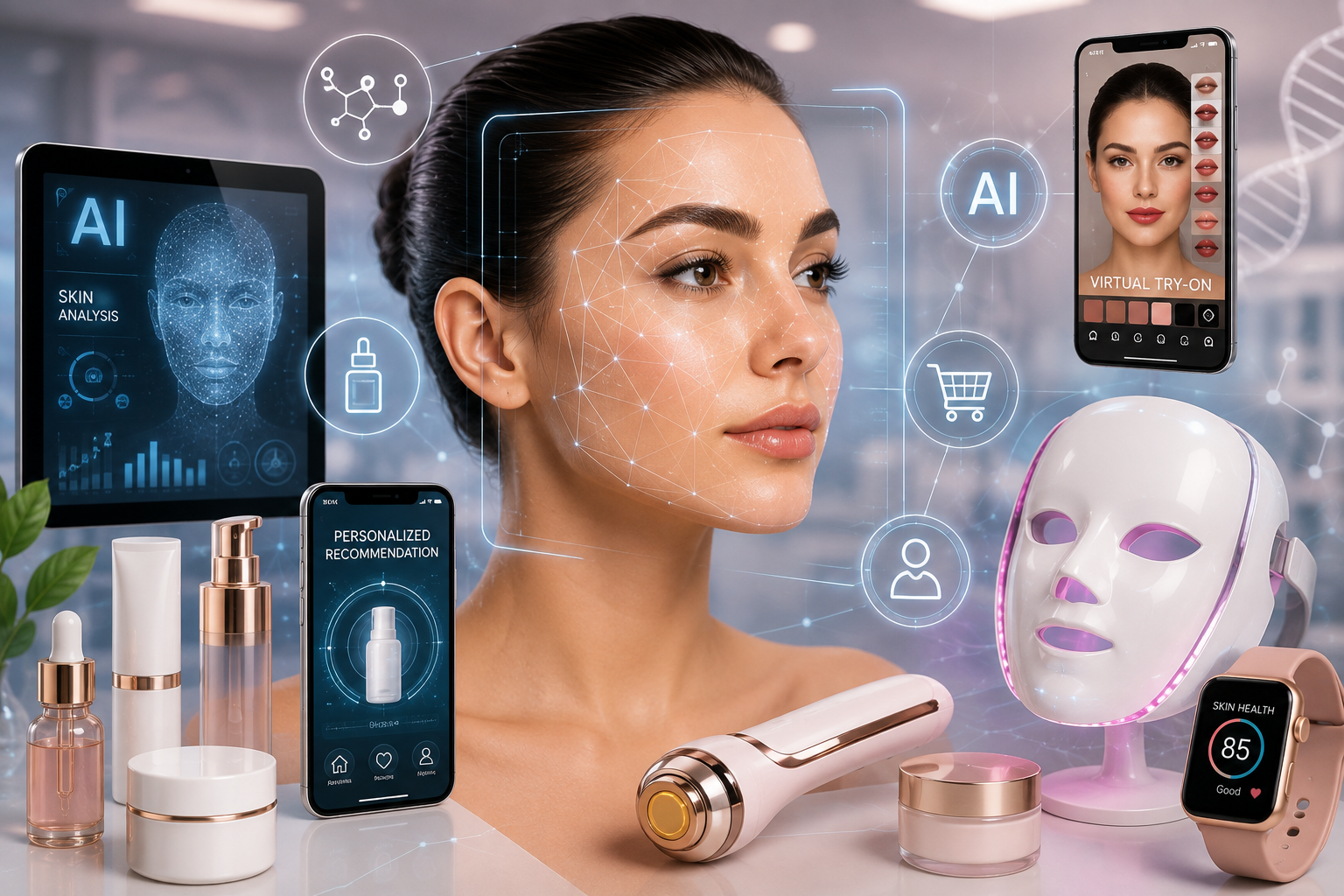
Artificial intelligence is becoming one of the most influential technologies in the beauty sector.
Many brands now offer AI-powered skin assessments that analyze concerns such as:
- Fine lines
- Wrinkles
- Acne
- Hyperpigmentation
- Skin hydration
- Pore size
- Skin texture
Using facial recognition and machine learning, these platforms recommend products tailored to an individual’s unique skin profile.
AI is also helping aesthetic clinics improve consultations by creating digital treatment simulations, allowing patients to visualize potential outcomes before undergoing cosmetic procedures.
Virtual Try-On Technology Is Revolutionizing Shopping
Augmented Reality (AR) has transformed the online beauty shopping experience.
Consumers can now virtually try:
- Lipsticks
- Foundations
- Eyeshadow
- Hair colours
- Eyewear
- Skincare effects
This technology reduces uncertainty, increases customer confidence, and significantly lowers product return rates.
For beauty retailers, virtual try-on tools have become a valuable sales driver while enhancing customer engagement.
Smart Beauty Devices Are Becoming Household Essentials
Beauty technology is no longer limited to clinics.
Consumers increasingly use at-home devices including:
- LED light therapy masks
- Microcurrent facial devices
- Radiofrequency skin tightening tools
- Ultrasonic cleansing brushes
- Facial massage devices
Many modern devices connect to smartphone applications, allowing users to track treatment progress and receive personalized skincare guidance.
Although home devices generally provide milder results than professional treatments, they have become popular for maintaining skin health between clinic visits.
Personalized Skincare Is Replacing One-Size-Fits-All Solutions
Consumers increasingly expect products tailored specifically to their skin.
Technology enables personalized skincare through:
- Digital skin analysis
- DNA testing
- Lifestyle questionnaires
- Environmental data
- AI-powered product recommendations
Some companies even formulate custom serums based on an individual’s skin condition, climate, and skincare goals.
This personalized approach is improving customer satisfaction while reducing unnecessary product purchases.
Technology Is Driving Innovation in Aesthetic Medicine
Modern aesthetic clinics are integrating advanced technologies into patient care.
Innovations include:
- 3D facial imaging
- Digital consultation platforms
- AI-assisted treatment planning
- Regenerative medicine technologies
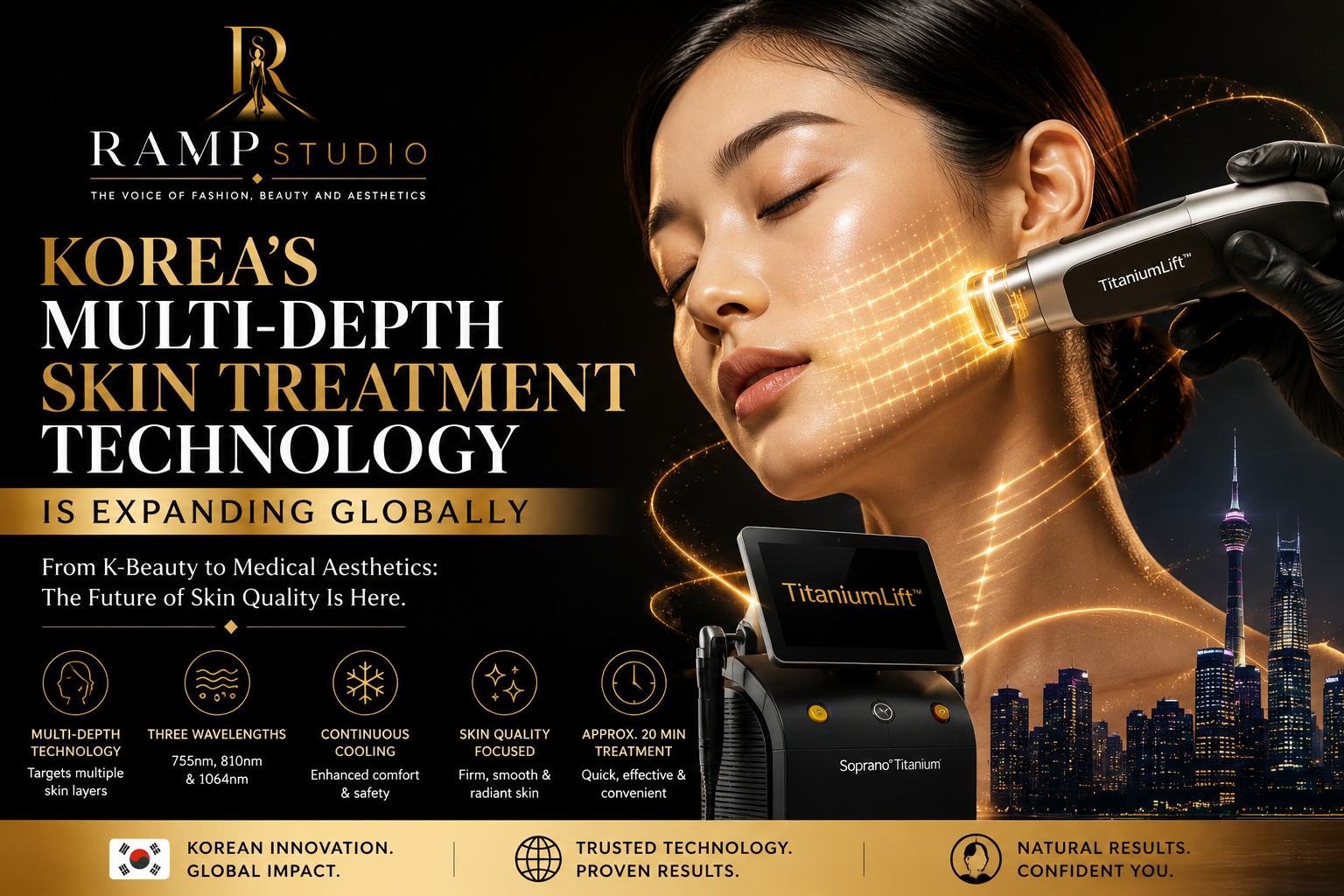
- Energy-based skin rejuvenation devices
- Precision injectables
Clinicians can now create more personalized treatment plans while improving accuracy and patient communication.
Technology also supports safer procedures through enhanced imaging and treatment monitoring.
Beauty Brands Are Using Data to Better Understand Consumers
Big data has become an essential tool for beauty companies.
Brands analyze customer behaviour to understand:
- Shopping habits
- Product preferences
- Seasonal trends
- Ingredient demand
- Customer feedback
These insights help companies develop products that align with consumer expectations while improving inventory management and marketing strategies.
Sustainability Through Innovation
Technology is also helping beauty companies reduce their environmental impact.
Many brands are investing in:
- Refillable packaging
- Eco-friendly manufacturing
- AI-powered supply chain optimization
- Digital product testing
- Water-saving formulations
Some companies are even using biotechnology to produce sustainable cosmetic ingredients without relying heavily on natural resources.
Innovation is proving that beauty and sustainability can work hand in hand.
Tele-Aesthetics and Virtual Consultations
Virtual consultations have become increasingly common, allowing patients to speak with qualified practitioners from home.
Benefits include:
- Greater accessibility
- Faster consultations
- Improved patient education
- Convenient follow-up appointments
- Better treatment planning before in-clinic visits
While in-person assessments remain essential for many procedures, tele-aesthetics has made expert advice more accessible than ever.
The Rise of Beauty Tech Startups
Technology has lowered barriers for innovation, leading to the rapid growth of beauty technology startups.
These companies are developing:
- AI skincare assistants
- Skin diagnostic applications
- Smart mirrors
- Personalized cosmetic manufacturing
- Digital beauty coaching
- Wearable skin sensors
Many established beauty brands are partnering with technology companies to remain competitive in this evolving landscape.
Challenges Facing Beauty Technology
Despite exciting innovations, technology also presents challenges.
These include:
- Data privacy concerns
- AI bias in skin analysis
- Overreliance on digital recommendations
- Regulatory oversight
- Consumer education
- Accessibility and affordability
As technology becomes more integrated into beauty, maintaining transparency and evidence-based practices will remain essential.
The Future of Beauty Is Intelligent
The next generation of beauty innovation is expected to combine artificial intelligence, biotechnology, regenerative medicine, and personalized healthcare.
Future developments may include:
- Real-time skin health monitoring
- AI-powered beauty assistants
- Fully personalized skincare formulations
- Predictive aging analysis
- Smart cosmetic packaging
- Digital treatment planning integrated with wearable health devices
Consumers will increasingly expect beauty experiences that are personalized, data-driven, and scientifically validated.
Conclusion
Technology is fundamentally reshaping the beauty industry, creating smarter products, more personalized experiences, and innovative treatment options. Whether through AI-powered skincare analysis, virtual consultations, advanced aesthetic devices, or sustainable manufacturing, digital innovation is setting new standards for beauty and wellness.
As the industry continues to evolve, businesses that successfully combine technology with clinical expertise and consumer trust will be best positioned to lead the future of beauty.
Frequently Asked Questions
How is AI used in the beauty industry?
AI analyzes skin conditions, recommends personalized skincare products, powers virtual consultations, and improves treatment planning in aesthetic clinics.
Are smart beauty devices effective?
Many at-home devices can support skin maintenance and complement professional treatments, although results vary depending on the technology and consistent use.
What is personalized skincare?
Personalized skincare uses digital analysis, questionnaires, and sometimes genetic or environmental data to recommend products tailored to an individual’s skin needs.
How is technology improving aesthetic medicine?
Technology enables more accurate facial assessments, customized treatment planning, advanced regenerative procedures, and improved patient communication.
Is virtual beauty consultation reliable?
Virtual consultations can be valuable for education and initial assessments, but many aesthetic procedures still require an in-person examination by a qualified practitioner.
Sources
- World Economic Forum. How AI Is Changing Consumer Industries. https://www.weforum.org
- McKinsey & Company. The State of Fashion & Beauty Reports. https://www.mckinsey.com
- Cosmetics Europe. https://cosmeticseurope.eu
- British Association of Dermatologists. https://www.bad.org.uk
- American Academy of Dermatology. https://www.aad.org
- U.S. Food & Drug Administration (FDA). Cosmetic Products. https://www.fda.gov/cosmetics
- Deloitte Insights. Technology Trends in Consumer Products. https://www2.deloitte.com
Views: 0