Wellness Without the Price Tag
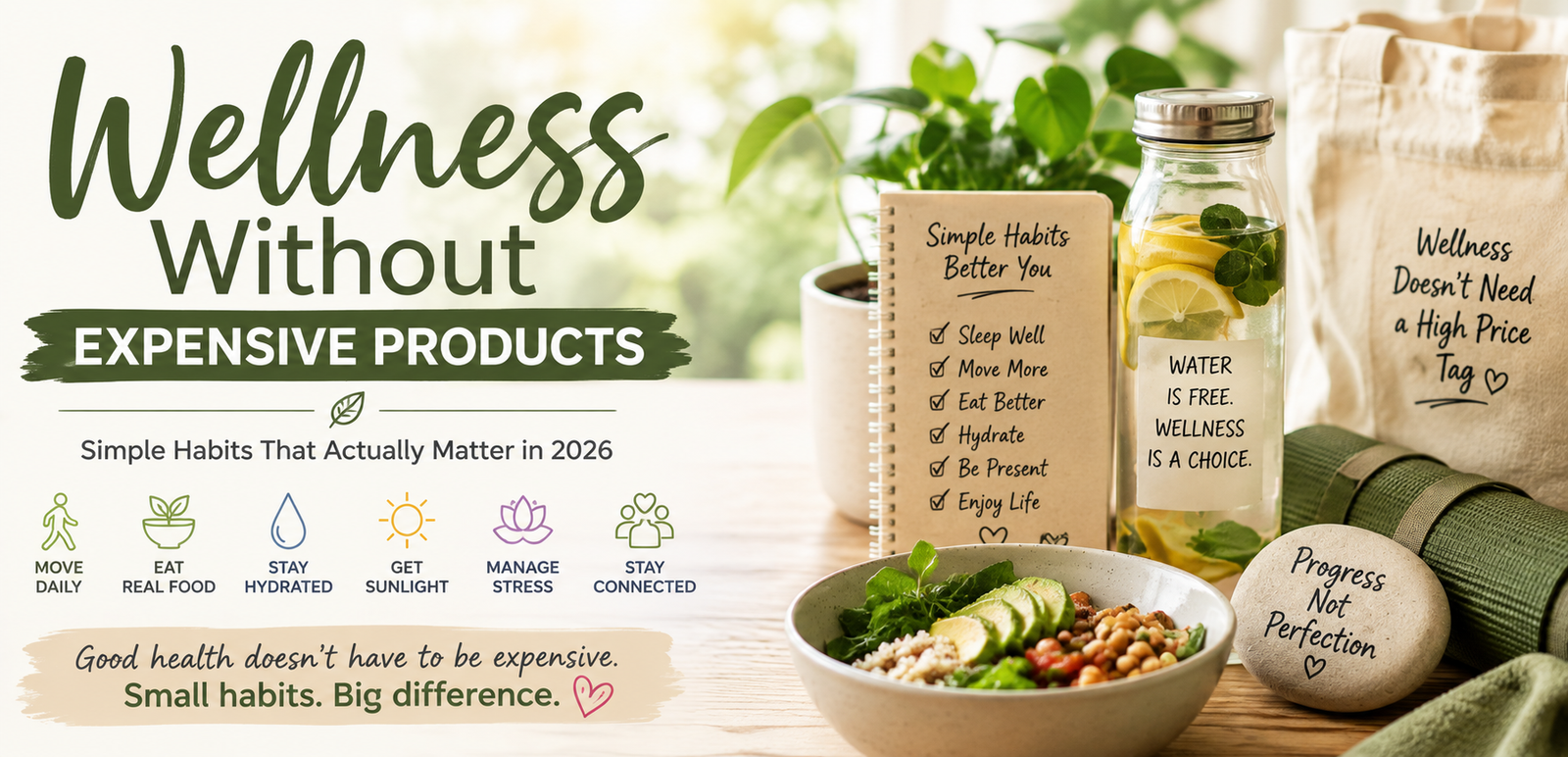
Wellness has become a huge part of modern lifestyle culture. From smart rings and fitness trackers to premium supplements, expensive skincare routines, wellness retreats and high-end fitness memberships, it can sometimes feel as though being healthy requires a large budget. But a different approach to wellness is gaining attention in 2026: you don’t necessarily need expensive products to take better care of yourself. Many of the habits that support everyday wellbeing are simple, accessible and inexpensive. Getting enough sleep, moving your body, spending time outdoors, staying connected with other people and eating balanced meals can all become part of a realistic wellness routine. The result is a more practical approach to wellness—one focused less on buying more and more on living better.
What Does Affordable Wellness Mean?
Affordable wellness doesn’t mean ignoring health or avoiding useful products and services.
Instead, it means prioritizing habits that provide meaningful benefits without turning wellness into a constant shopping experience.
A wellness routine can include simple activities such as:
- Walking outdoors
- Drinking enough water
- Preparing nutritious meals
- Maintaining a regular sleep schedule
- Taking breaks from screens
- Practicing relaxation techniques
- Spending time with friends and family
- Getting natural daylight
- Making time for hobbies
- Staying physically active
These habits may not have the same marketing appeal as the latest wellness gadget, but they can be much easier to maintain over time.
Why Wellness Became So Expensive
The wellness industry has expanded into almost every part of daily life.
There are now products and services marketed for sleep, recovery, fitness, stress management, nutrition, beauty and longevity. Some can be genuinely useful, but the sheer number of options can create the impression that something is missing from your lifestyle.
A person might start with a basic workout routine and eventually feel pressure to purchase specialized equipment, tracking devices, supplements, recovery tools and memberships.
This can turn wellness into another form of consumerism.
In 2026, however, wellness conversations are increasingly questioning whether buying more actually leads to feeling better.
Sleep: One of the Most Valuable Free Wellness Habits
Good sleep doesn’t require an expensive mattress, wearable or sleep-tracking device.
Creating a consistent sleep routine can be one of the simplest ways to support overall wellbeing.
Helpful habits include:
- Going to bed and waking up at relatively consistent times
- Keeping the bedroom comfortable and dark
- Reducing unnecessary screen use before bed
- Avoiding excessive caffeine late in the day
- Allowing enough time for rest
Sleep trackers can provide useful information for some people, but they aren’t essential for developing healthy sleep habits.
Sometimes, wellness means putting the technology away and simply resting.
Walking Is an Underrated Wellness Tool
Walking is one of the easiest forms of movement to incorporate into everyday life.
You don’t need a premium gym membership or expensive equipment to start.
A regular walk can provide an opportunity to:
- Move your body
- Spend time outdoors
- Clear your mind
- Socialize with another person
- Take a break from work or screens
You can walk around your neighborhood, visit a local park or simply take short walking breaks throughout the day.
The key is consistency rather than perfection.
Wellness Starts With Everyday Food
Healthy eating doesn’t have to mean buying expensive “superfoods” or following complicated diets. A practical approach is to build meals around accessible foods such as vegetables, fruits, whole grains, legumes, eggs, dairy or other protein sources that fit your dietary needs and budget. Cooking at home can also make it easier to understand what you’re eating while potentially reducing reliance on expensive convenience foods.
The goal isn’t to create a perfect diet.
It’s to develop sustainable eating habits that work in real life.
Hydration Doesn’t Need to Be Complicated
The wellness industry has created an enormous market around hydration products, but basic hydration doesn’t require an elaborate collection of accessories. For most people, regularly drinking water throughout the day is a straightforward place to start. Keeping a reusable bottle nearby can make the habit easier without turning hydration into another expensive wellness purchase. Individual hydration needs vary depending on factors such as activity, climate and health circumstances, so there isn’t one universal amount that everyone needs to drink.
Sunlight and Time Outdoors
Spending time outdoors can be another inexpensive part of a wellness routine. Morning daylight can help support a regular sleep-wake schedule, while outdoor activities can provide an opportunity to move, relax and take a break from indoor environments. Of course, spending time outdoors doesn’t mean ignoring sun protection. When UV exposure is significant, appropriate protection—including sunscreen, clothing and shade—is still important. Wellness doesn’t have to mean choosing between nature and skincare. You can enjoy both.
Mental Wellness Doesn’t Have to Come With a Subscription
Mental wellbeing is another area where wellness culture can sometimes become commercialized. Meditation apps, retreats and wellness programs can be useful for some people, but relaxation can also happen without a subscription.
Try simple practices such as:
- Taking a few quiet minutes during the day
- Journaling
- Breathing exercises
- Going for a peaceful walk
- Listening to music
- Reading
- Spending time with people you trust
- Taking regular breaks from social media
These activities won’t solve every mental-health challenge, but they can become meaningful parts of everyday self-care. Persistent or serious mental-health concerns deserve professional support rather than being treated as a lifestyle problem.
Social Connection Is Part of Wellness
One of the easiest things to overlook in a wellness routine is human connection. Meeting a friend for a walk, calling a family member, sharing a meal or participating in a community activity can support a sense of belonging without requiring expensive wellness services. Wellness isn’t only about what happens inside the body.
Relationships and meaningful experiences are part of a healthy lifestyle too.
You Don’t Need a Perfect Morning Routine
Social media has popularized elaborate morning routines involving meditation, supplements, workouts, skincare, journaling and carefully prepared drinks. There is nothing wrong with enjoying these routines. But they aren’t a requirement for wellbeing.
A healthy morning might simply involve:
- Getting enough sleep.
- Drinking some water.
- Eating breakfast if you normally do.
- Getting some daylight.
- Moving your body.
- Starting the day without immediately becoming overwhelmed by notifications.
The best routine is usually the one you can actually maintain.
The Rise of Low-Cost Wellness
The growing interest in affordable wellness reflects a broader change in how people think about wellbeing.
Instead of asking:
“What should I buy to become healthier?”
People are increasingly asking:
“What can I change in my everyday life?”
That shift can make wellness feel more accessible.
It also challenges the idea that health must always be associated with premium products, luxury experiences or expensive memberships.
A Simple Wellness Routine for 2026
A realistic low-cost wellness routine could look something like this:
Morning
Get some daylight, drink water and take a few minutes before immediately checking your phone.
During the Day
Move regularly, eat balanced meals and take short breaks from prolonged sitting or screen use.
Evening
Slow down, spend time with people you care about and create a relaxing environment before bed.
Weekly
Make time for outdoor activities, hobbies, social connection and something you genuinely enjoy.
None of these habits requires a luxury wellness budget.
When Wellness Becomes Too Much
Perhaps the most important lesson is that wellness should make life better, not more stressful. If tracking every calorie, counting every step and buying every new wellness product makes you anxious, it may be worth stepping back. A healthy lifestyle doesn’t have to be perfectly optimized. You don’t need to complete every wellness trend. You don’t need every supplement. You don’t need the newest wearable. Sometimes the healthiest decision is simply choosing a few good habits and sticking with them.
The Bottom Line
Wellness in 2026 doesn’t have to come with a luxury price tag. Some of the most valuable habits—sleeping well, moving regularly, eating nourishing food, spending time outdoors, staying connected and making room for relaxation—can be surprisingly simple. The future of wellness may be less about buying more and more about doing what genuinely helps us feel and live better.
Because wellness shouldn’t be another competition.
It should be something that fits into your life.
Frequently Asked Questions
Is wellness expensive?
It can be, but it doesn’t have to be. Many fundamental wellness habits are inexpensive or free.
What is the cheapest way to improve wellness?
Start with basics such as regular movement, adequate sleep, balanced meals, outdoor time, hydration and social connection.
Do I need wellness supplements?
Not necessarily. Supplements can have specific uses, but they shouldn’t automatically be considered essential for everyone. Individual needs vary.
Can walking really be part of a wellness routine?
Absolutely. Walking is accessible, inexpensive and easy to incorporate into everyday life.
Is expensive wellness technology necessary?
No. Wearables and wellness apps can provide useful information, but they aren’t prerequisites for living a healthy lifestyle.
What is the biggest wellness trend in 2026?
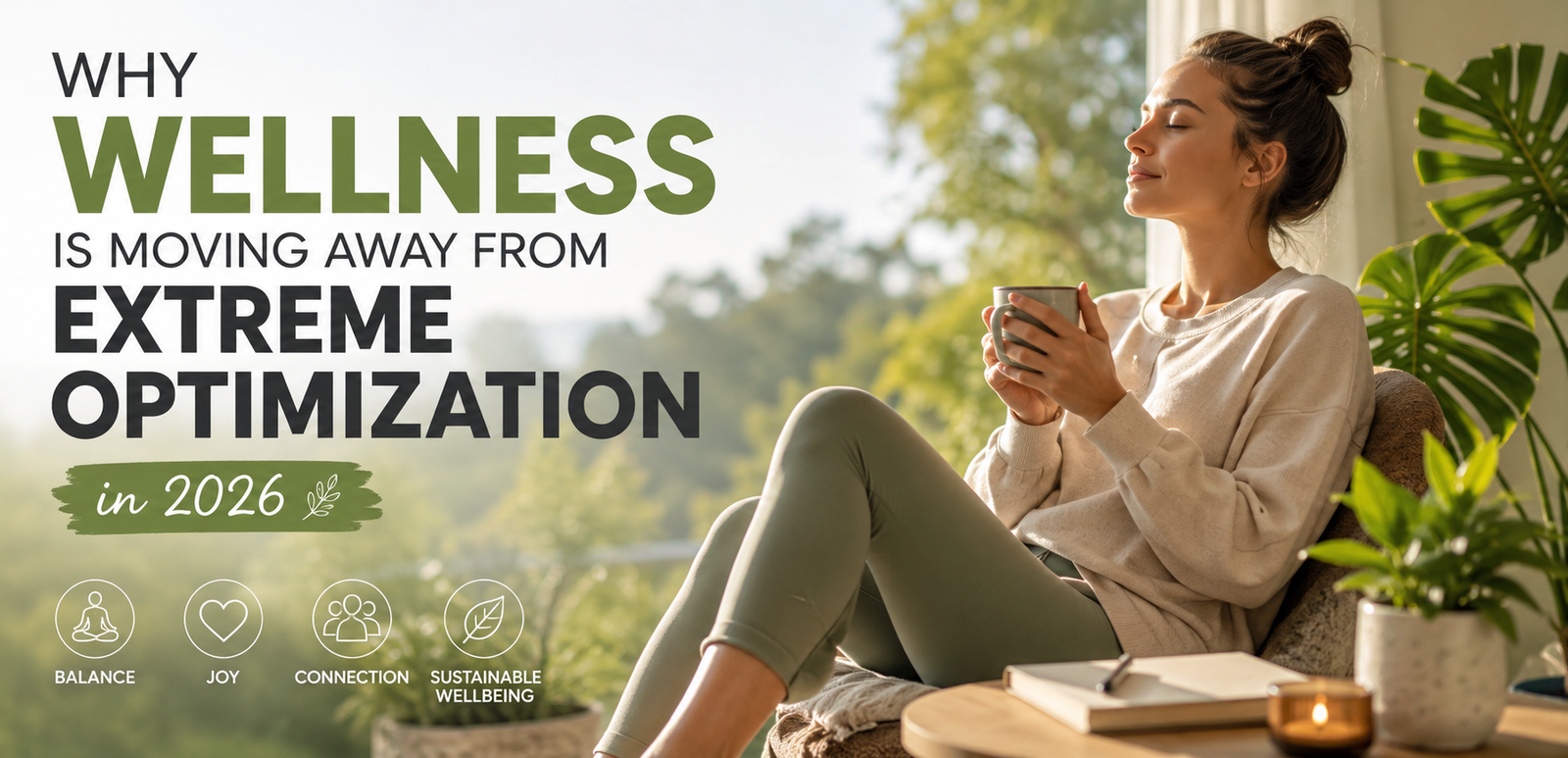
One notable direction is a move away from extreme optimization toward more sustainable, human-centered wellbeing, with greater emphasis on balance, enjoyment and connection.
Sources
- Global Wellness Summit — 2026 Wellness Trends: Global Wellness Summit 2026 Trends
- Global Wellness Institute — 2026 Wellness Trends: Global Wellness Institute
- World Health Organization — Physical Activity: WHO Physical Activity
- Centers for Disease Control and Prevention — Sleep and Sleep Health: CDC Sleep
Views: 0